Why Phone Batteries Look Bigger While Battery Technology Feels Like It Is Standing Still
by Scott
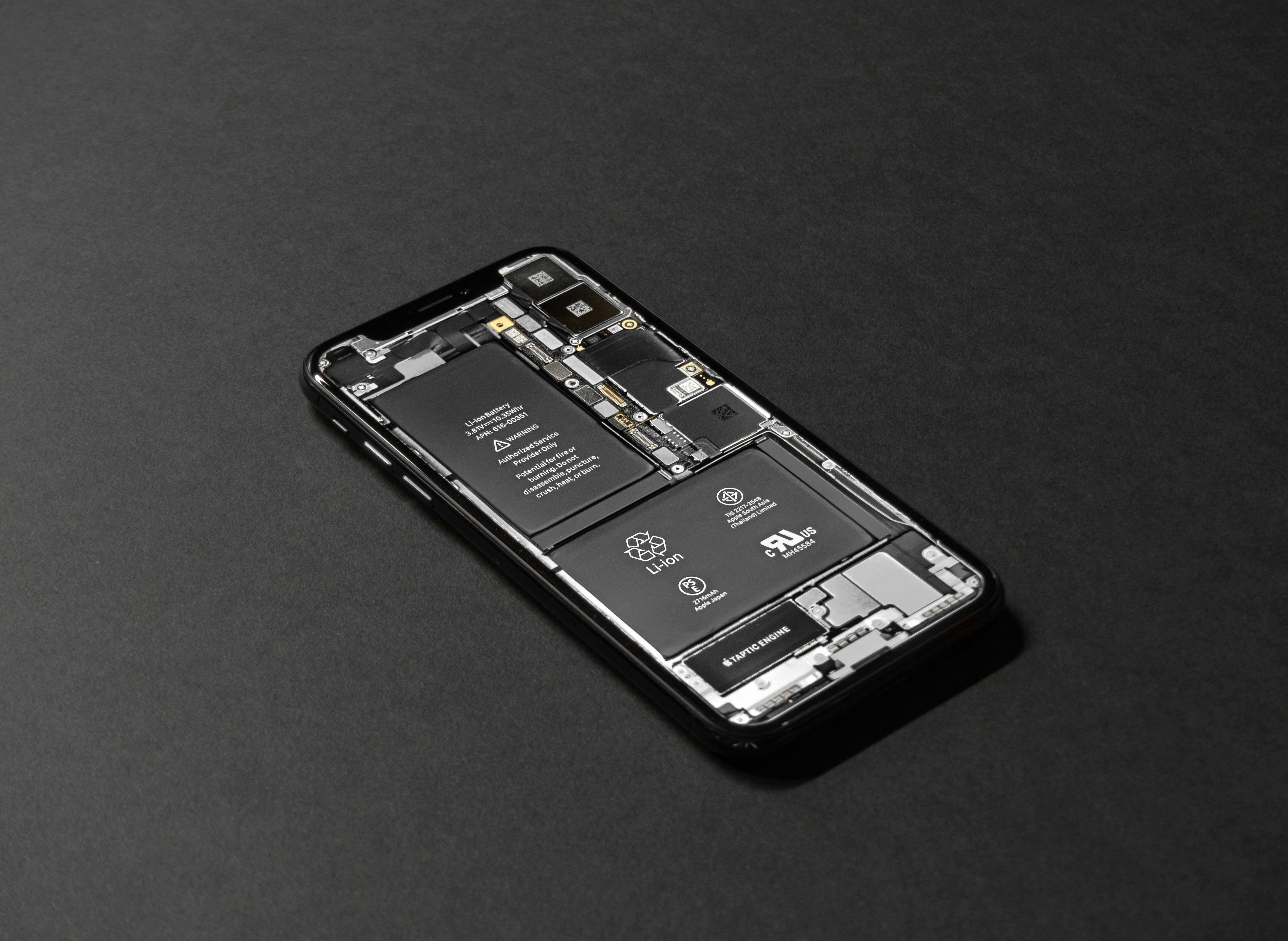
If you look at modern smartphones, it can feel like battery progress has been “solved” mostly by making batteries physically larger. Many phones now ship with higher milliamp-hour ratings than models from a decade ago, yet a lot of people still experience the same daily reality: charge at night, top up during the day, and watch battery health slowly fade over a few years. The impression that battery technology has not improved is understandable, but the underlying reality is that battery improvements are happening slowly and within strict limits that consumer devices cannot easily escape.
The first important point is that battery capacity improves in two main ways. One is energy density, which is how much energy can be stored in a given volume or weight. The other is physical size, meaning larger batteries made possible by bigger devices and more efficient internal layouts. Smartphones have gradually increased in screen size over the past decade, and engineers have become better at allocating internal space to batteries. Increasing physical volume remains the most predictable way to extend battery life without introducing major safety risks.
Energy density has improved, but not at the dramatic pace seen in computing performance. Lithium-ion batteries have seen steady but modest gains over many years. These improvements are often absorbed by new features such as brighter displays, faster processors, higher refresh rates, constant network connectivity, advanced cameras, and background services. As devices become more capable, they also become more demanding, which masks the gains made at the battery level.
Battery measurements themselves can also be misleading. Consumers often focus on milliamp-hours, but this number alone does not represent total energy capacity. Voltage differences, cell design changes, and power management strategies vary between models, making direct comparisons difficult. A newer battery may be more efficient or stable even if the headline number looks similar to an older one.
One major reason battery progress feels slow is the need to balance four competing factors: energy density, cost, lifespan, and safety. Improving one often harms another. Higher energy density can increase the risk of overheating or reduce long-term durability. Faster charging can increase internal stress and heat. Lower costs can reduce performance or reliability. Because smartphones and laptops are used close to the body and in uncontrolled environments, manufacturers prioritise proven, stable designs over experimental breakthroughs.
Manufacturing scale is another major limitation. A battery chemistry can perform extremely well in a laboratory but fail when produced in millions of units. Scaling requires consistent materials, predictable aging, low defect rates, and safe behaviour under stress such as impacts, heat, and rapid charging. Consumer devices demand thin, lightweight batteries that survive years of daily use, which makes radical chemistry changes risky.
Some future battery technologies already exist but have not yet become mainstream in phones or laptops. Solid-state batteries replace flammable liquid electrolytes with solid materials, offering potential improvements in safety and energy density. However, challenges remain in production consistency, interface stability, cost, and long-term performance. As a result, adoption has been slow and limited to experimental or niche applications.
Silicon-based anodes represent another promising direction. Silicon can store significantly more energy than graphite, which is commonly used today. The problem is that silicon expands and contracts during charging cycles, causing physical stress that shortens battery life. Most current approaches use silicon blends rather than pure silicon to manage this issue, trading theoretical gains for practical reliability.
Other technologies such as lithium-sulfur, sodium-ion, and supercapacitors are frequently discussed. Lithium-sulfur offers high theoretical energy density but struggles with durability and stability. Sodium-ion batteries are attractive due to lower material costs and supply chain advantages but generally lag in energy density. Supercapacitors charge quickly and last many cycles but store far less energy, limiting their usefulness for long-running devices like phones and laptops.
Safety remains a critical concern. Even current lithium-ion batteries can be dangerous if damaged or poorly manufactured. Any new technology must match or exceed existing safety standards before it can be trusted inside consumer devices. This requirement alone eliminates many promising ideas from consideration, regardless of their theoretical performance.
So what is holding progress back? The answer lies in physics, economics, and risk management. Physics limits how much energy can be safely packed into a small space. Economics determines which technologies can be produced affordably at scale. Risk management matters because battery failures can cause fires, recalls, and serious harm. Manufacturers are cautious because even a small defect rate can result in widespread failures across millions of devices.
There are many patents and research papers describing new battery technologies, but patents do not guarantee usable products. A working prototype is not the same as a mass-produced battery that can survive years of use under real-world conditions. Many ideas remain stuck between laboratory success and commercial viability.
Looking ahead, the most likely future for smartphones and laptops is continued incremental improvement. Advances will come from better lithium-ion chemistry, higher silicon content in anodes, improved battery management systems, and smarter device design that allocates more space to the battery. New technologies may first appear in specialised or premium devices before becoming widespread.
Battery life improvements will also come from efficiency gains beyond chemistry. More efficient processors, adaptive displays, smarter radios, and better software management can significantly reduce power consumption. Even without dramatic chemistry breakthroughs, these improvements can extend usable battery life.
In conclusion, battery technology has not stagnated, but it advances slowly under strict constraints. Larger batteries are used because they offer reliable gains without introducing new risks. The next major leap is possible, but only if a new technology can outperform lithium-ion across safety, durability, cost, and manufacturability. Until then, progress will continue in steady, incremental steps that are more substantial than they appear from the outside.