Why Easter Is One of the Most Special Times of the Year
by Scott
There are certain moments in the calendar that feel different from the rest. Not simply because of what is planned or what food is on the table, but because of something harder to name, a quality in how people move through the day, a softness in how they look at each other, a sense that for a brief and precious stretch of time the ordinary pressures of life have agreed to step back and let something gentler take their place. Easter is one of those moments. It arrives with a particular kind of grace, and for those who have lived it across many years and many stages of life, it carries a weight of meaning and memory that deepens rather than diminishes with time.
At the heart of what makes Easter special is the way it draws people together. Not the polite, obligatory togetherness of an occasion attended out of duty, but a genuine gathering, the kind where someone has been cooking since early morning and the house fills with warmth and familiar voices before the table is even set. Easter has a way of pulling family members across distances that ordinary weekends cannot seem to bridge. Cousins who rarely see each other find themselves in the same room. Grandparents who spend much of the year on the periphery of busy family life are suddenly, beautifully, at the center of it. There is something about Easter that seems to lower the barriers people build around themselves in harder times. People arrive a little more open, a little more willing to be present, a little more glad to see each other than they might be willing to admit on any other day of the year.
The conversations that happen at Easter gatherings are their own kind of gift. They are not always the deep ones. Often they are the simple kind, the catching up on small things, the teasing of the same family members about the same long-running jokes, the telling of stories that everyone at the table already knows but that somehow get better with each retelling. It is in these moments that families remember who they are to each other, not through grand declarations but through the accumulated texture of shared experience. The meal stretches longer than it needs to because nobody is in a hurry to leave. The light shifts and mellows outside and still people remain, reluctant to let the day end before it has given everything it has to give.
And then there is chocolate. To speak of chocolate at Easter only as a commercial product or a seasonal indulgence is to miss what it actually represents in the lived experience of the day. There is something genuinely soul-warming about a piece of good chocolate eaten slowly, without guilt or hurry, in the company of people you love. It is sweet in a way that asks nothing of you, that requires no explanation or justification. Children unwrapping chocolate eggs on Easter morning wear an expression of uncomplicated happiness that adults would do well to observe and try to remember. Chocolate at Easter carries a layer of sentiment that goes beyond taste. It is tied to memory, to the particular chocolate that a grandparent always kept in a specific place, to the brand that tastes like childhood simply because it appeared in Easter baskets year after year. When you taste it now, you are tasting the past too, and the past is full of people you love, some of whom are still here and some of whom live now only in moments like this one.
The Easter egg hunt is perhaps the most joyful of all the day’s particular pleasures, and it works across generations in a way that is rarer than it sounds. Children run with a focused intensity that is beautiful to watch, certain that the next hiding spot will yield exactly what they are looking for. Teenagers who have long outgrown believing in Easter bunnies often find themselves pulled back into the spirit of it, pretending to take it seriously and then discovering that the pretense has become something genuine. Adults who organized the hunt and know exactly where every egg is hidden feel a particular pleasure watching the search unfold, a delight in having created a small piece of magic for someone else. And grandparents watch all of it with a look that contains decades of similar mornings in it, a look that is part nostalgia and part pure gladness to be present for one more.
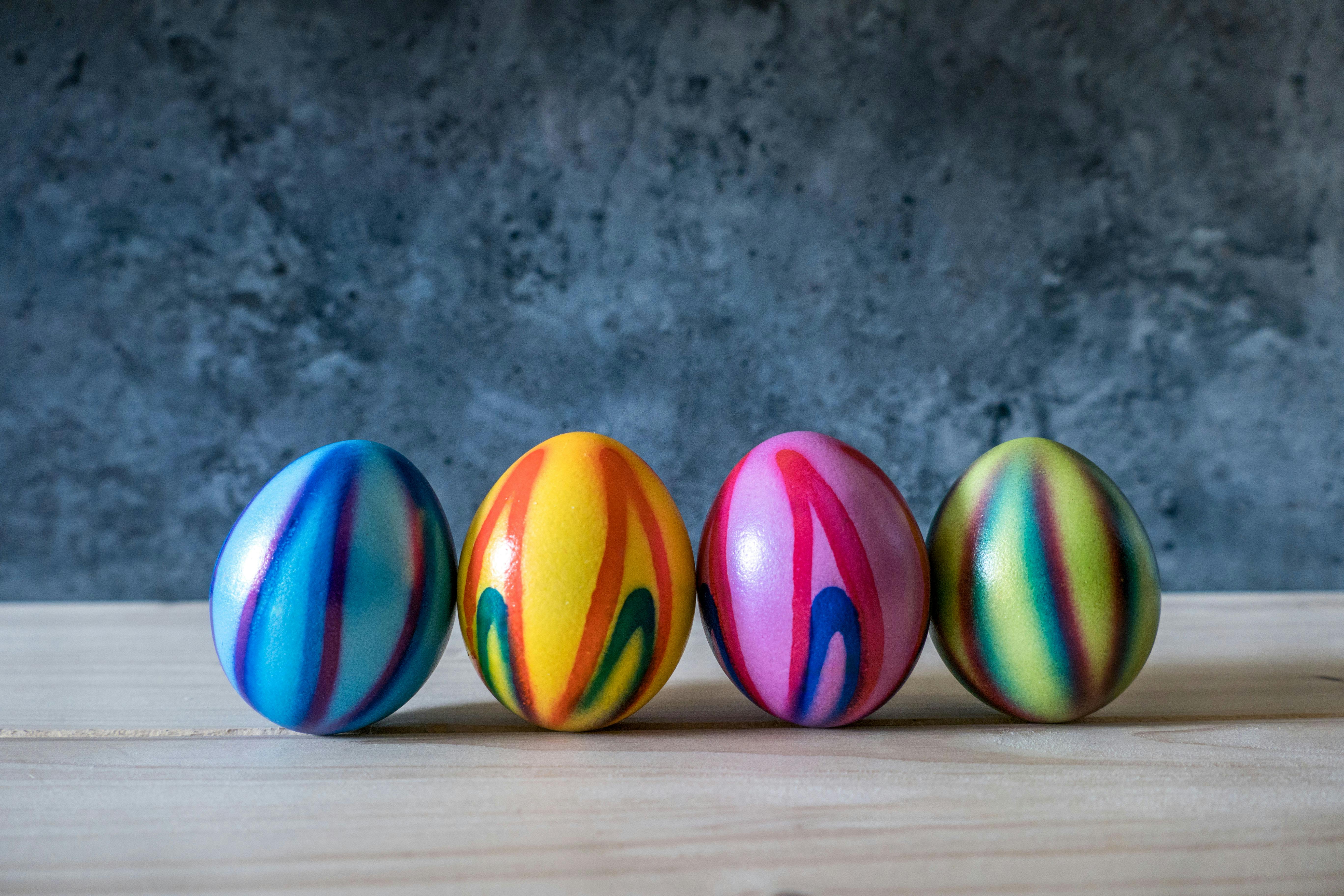
The memory of a good Easter egg hunt does not fade easily. Long after the chocolate has been eaten and the excitement of the day has settled, what remains is the sensory texture of the experience, the sound of laughter from behind a hedge, the warmth of being inside a shared secret with the people who hid the eggs alongside you, the particular joy of a child holding up what they found as if it were treasure, because to them it genuinely is. These are the kinds of memories that surface unexpectedly years later and feel startlingly vivid when they do. They are the memories that children carry into adulthood and that quietly shape what home means to them, what family means, what happiness looks and feels like when it is at its simplest and most true.
Easter is also, at a deeper level, a time for reflection on what it means to live well. One of the most important qualities the occasion invites us to consider is the combination of strength and humility, two things that can seem like opposites but that Easter suggests belong together. True strength is not the kind that insists on being seen or that measures itself against others. The strength that Easter calls to mind is quieter and more durable than that. It is the strength to carry difficulty without becoming bitter. The strength to forgive when it would be easier to hold a grievance. The strength to show up for the people who need you even when you are tired and would rather not. This kind of strength does not announce itself. It is witnessed in small acts over long periods of time, and it is almost always accompanied by a humility that is equally quiet and equally essential.
Humility at Easter is not about self-diminishment. It is about the willingness to be present in the midst of something larger than yourself, whether that is your faith, your family, or simply the mystery of being alive and fortunate enough to be surrounded by people who matter to you. There is humility in sitting at a table with people you did not choose but who are yours nonetheless, and finding something to be grateful for in that. There is humility in recognizing that the traditions you carry into another year were given to you by people who are no longer here to see you carry them, and that one day you will pass those same traditions to someone who comes after you. Easter has a way of making this visible without making it heavy. It places you in the middle of a long and continuing story and lets you feel, briefly, the wholeness of that.
Easter is also, for many people around the world, a deeply sacred occasion rooted in Christian faith. It marks the resurrection of Jesus Christ, the central event of the Christian narrative, and carries with it a profound message of hope, redemption, and the possibility of new beginnings. For believers, Easter Sunday is not simply a holiday but the most significant day in the religious calendar, a celebration of life overcoming death and light overcoming darkness. This spiritual dimension gives the day a gravity and a joy that are unlike those of any ordinary celebration, and even for those who come to Easter without strong religious faith, the themes at its core, renewal, forgiveness, the endurance of love through hardship, speak to something universal in human experience.
What makes Easter truly special, beneath all of its particular pleasures and traditions, is something that is easier to feel than to describe. It is the sense of renewal that the occasion carries, a sense that is both personal and collective, both ancient and immediate. For a day, or a weekend, or however long the celebration lasts, there is permission to believe in starting over, in second chances, in the possibility that what felt heavy in harder times might feel lighter now. This is not naive optimism. It is the recognition, earned through experience, that people are more resilient than they sometimes know, and that returning to something you love, year after year, with the people who matter most, is not a small thing.
Easter gathers all of this together. The family around the table. The chocolate that tastes like memory. The children racing to find what has been hidden for them. The conversations that go longer than planned. The quiet moments of reflection on strength, on humility, on what it means to keep showing up for the people and the life you have been given. It is not a perfect day. No day is. But it is a day that knows what it is for, and that knowledge gives it a warmth and a meaning that is worth returning to, year after year, with gratitude.