Why Do We Still Rely on Fossil Fuels When Alternatives Exist
by Scott
The question seems almost too obvious to take seriously. We know that burning fossil fuels releases carbon dioxide that is warming the planet at a rate that threatens serious consequences for billions of people. We know that solar panels and wind turbines exist, that electric vehicles are on the road, that heat pumps work, that nuclear reactors generate enormous quantities of low-carbon electricity, and that the cost of renewable energy has fallen so dramatically over the past two decades that solar power is now the cheapest source of electricity in history in many markets. Given all of this, the continued dominance of fossil fuels in the global energy system can look, from a distance, like a collective act of self-destruction, a failure of rationality so profound that it demands an explanation beyond the merely technical.
The explanation exists, and it is genuinely complex. The persistence of fossil fuels is not primarily a story about ignorance, denial, or bad faith, though all of those play roles. It is a story about infrastructure, economics, political power, the genuine technical challenges of energy transition, the unequal distribution of the costs and benefits of change, and the deep embeddedness of fossil fuel systems in every aspect of modern civilization. Understanding why we still rely on fossil fuels requires taking each of these dimensions seriously rather than collapsing them into a simple narrative of corruption or stupidity.
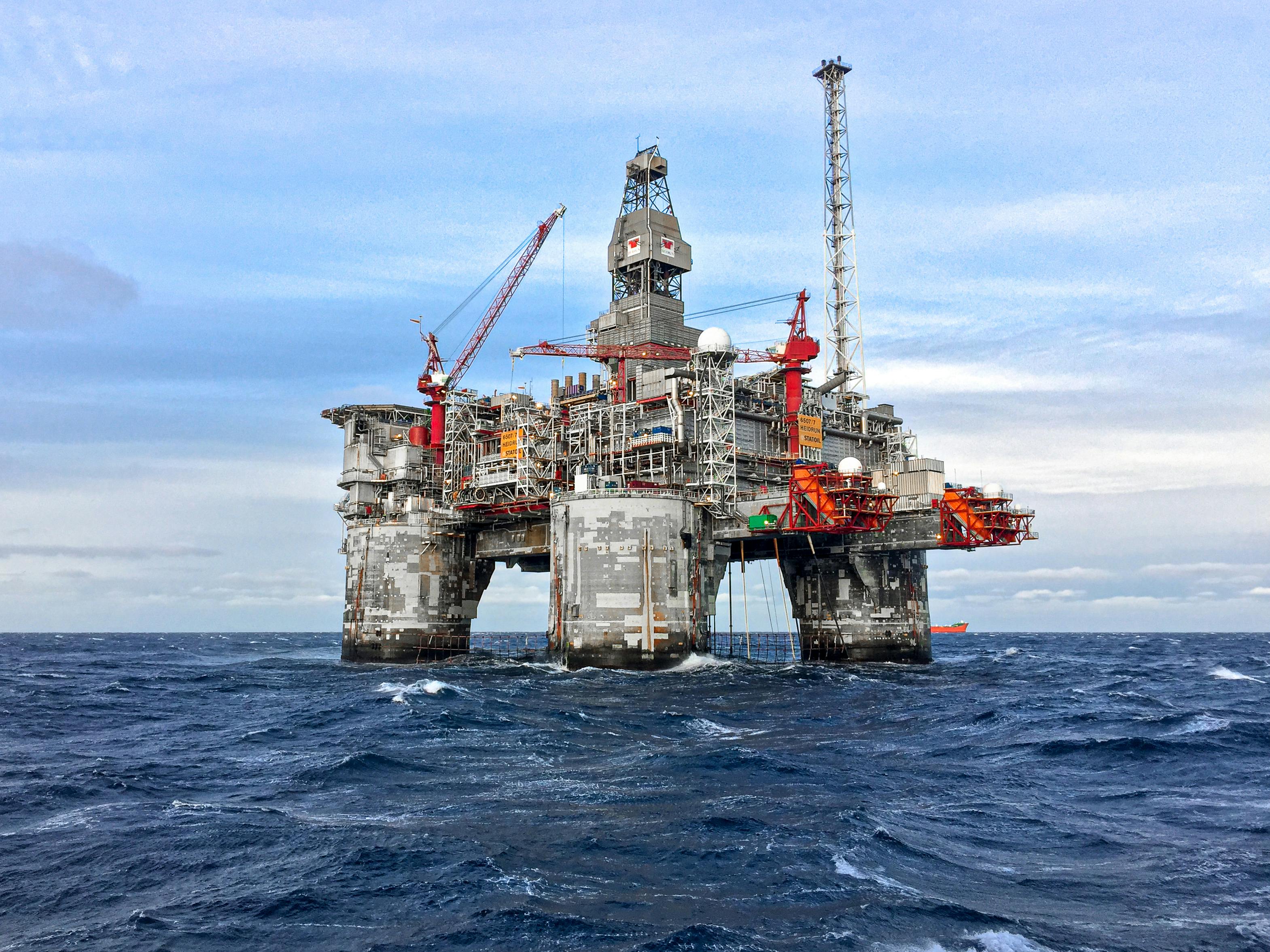
The sheer scale of the existing fossil fuel infrastructure is the first and most important factor to understand. The global energy system is the largest and most complex machine ever built by human beings. It consists of hundreds of thousands of oil wells, tens of thousands of kilometers of pipelines, thousands of refineries and power plants, hundreds of millions of vehicles, billions of buildings with fossil-fuel heating systems, and the entire industrial apparatus that produces cement, steel, chemicals, plastics, and fertilizers using fossil fuels as both an energy source and a feedstock. This infrastructure was built over more than a century at a cost of tens of trillions of dollars, and it is deeply integrated into the physical fabric of cities, industries, and supply chains. Replacing it is not a matter of choosing a different option from a menu. It is a civilizational project of a scale and complexity that has no historical precedent.
The economics of this existing infrastructure create powerful incentives to continue using it rather than retiring it early. Every coal plant, gas pipeline, and oil refinery represents a capital investment whose owners expect to recoup over its operational lifetime. When new regulations or market conditions threaten to strand these assets, their owners fight back through every available political and legal channel, because the financial stakes are enormous. The concept of stranded assets, fossil fuel infrastructure that becomes economically unviable before the end of its expected operational life, is one of the central tensions in the energy transition, and it helps explain why incumbent energy interests resist the transition even when the long-term economic case for alternatives is clear. The transition may be good for the economy as a whole and good for future generations, but it is genuinely costly for the specific investors and workers whose livelihoods are tied to the assets being stranded.
The political power of fossil fuel industries has shaped energy policy in ways that have systematically slowed the transition to alternatives. Oil and gas companies rank among the largest corporations in the world and have correspondingly large capacities to influence the political process through lobbying, campaign contributions, revolving door employment of former regulators, funding of research and advocacy that casts doubt on climate science and renewable energy economics, and the straightforward exercise of economic power in regions where fossil fuel extraction is a dominant employer. This is not a conspiracy theory. It is a documented pattern that has been studied extensively by researchers examining the history of climate policy, and it helps explain why the policy environment in many countries has remained more favorable to fossil fuels than the scientific and economic evidence alone would justify.
The story of the fossil fuel industry’s response to the evidence of climate change is now well documented through internal corporate documents obtained through litigation and investigation. Major oil companies, including ExxonMobil, understood the scientific basis of anthropogenic climate change as early as the 1970s, conducted their own research that confirmed and extended the scientific consensus, and then spent decades funding efforts to undermine that consensus publicly while privately planning their operations around the very warming scenarios they were publicly disputing. This history of deliberate disinformation has real consequences for how quickly the political and social consensus necessary for rapid energy transition could develop, and those consequences are still playing out in delayed policy action and public confusion about the urgency and tractability of the problem.
Energy density is a genuine technical reason why fossil fuels remain difficult to replace in certain applications, and it deserves honest acknowledgment alongside the political and economic factors. A liter of diesel contains approximately ten kilowatt-hours of energy, which can be stored indefinitely, transported easily, and released on demand through a compact and well-understood combustion engine. Matching this energy density in a battery, at a cost and weight that is practical for transportation, remains a significant engineering challenge, particularly for long-haul trucking, aviation, and shipping. Electric cars work well for most passenger vehicle use cases, but an electric long-haul truck requires a battery that is enormously heavy and expensive, reducing its cargo capacity and making its economics challenging relative to diesel at current battery costs. Aviation presents even greater challenges because the energy-to-weight ratio of current batteries makes battery-powered commercial aviation physically impossible at useful ranges.
Hydrogen has been proposed as a solution to these energy density challenges, and it does offer high energy density and the possibility of green production through electrolysis using renewable electricity. But hydrogen has its own serious challenges. It is the smallest molecule, making it extremely difficult to contain without leakage. It requires either very high pressure or cryogenic cooling for storage, both of which add cost and complexity. It is currently produced almost entirely from natural gas in a process that releases carbon dioxide unless carbon capture is applied. The infrastructure for hydrogen distribution does not exist at scale. And the round-trip efficiency of hydrogen production and use is significantly lower than direct electrification for applications where electrification is feasible, meaning that a system using hydrogen wastes more energy per unit of useful work than one using electricity directly. These are not insuperable challenges, but they explain why hydrogen has not yet fulfilled the role its advocates have long projected for it.
The intermittency of renewable energy is another genuine technical challenge that advocates for rapid transition sometimes understate. Solar panels generate electricity only when the sun shines, and wind turbines generate electricity only when the wind blows, and the times when generation is highest do not always correspond to the times when demand is highest. Managing an electricity grid that relies heavily on intermittent sources requires either large-scale energy storage, long-distance transmission infrastructure to balance supply and demand across wider geographic areas, demand management systems that shift consumption to times of high supply, or backup generation capacity that can be dispatched when renewables are insufficient. All of these solutions are technically feasible and are being deployed, but they add cost and complexity to the energy system, and building them out at the scale required for a fully renewable grid takes time and capital that is not always available.
Battery storage technology has improved dramatically and continues to improve, and large-scale grid storage is now being deployed at meaningful scale. But the quantity of storage required to balance a grid with high levels of solar and wind penetration across multiple days of low generation is enormous, and the materials required for that storage, particularly lithium, cobalt, nickel, and manganese, have their own supply chain challenges, environmental impacts, and geopolitical complications. The transition from fossil fuels does not eliminate resource constraints and environmental tradeoffs. It shifts them to different materials and different locations, which is in most respects a significant improvement but which requires honest acknowledgment of the challenges involved.
The developing world presents a dimension of the fossil fuel dependency question that is often absent from discussions dominated by the perspective of wealthy countries. More than a billion people still lack reliable access to electricity, and hundreds of millions more have access that is too unreliable or expensive to support the modern economic activity that might lift their communities out of poverty. For these populations, the question of which energy source to use is not a choice between fossil fuels and renewables evaluated against climate objectives. It is a question of how to provide affordable, reliable energy to people who need it desperately, as quickly as possible. The historical development model of industrialization powered by cheap fossil fuels is the model that created the prosperity of wealthy countries, and expecting developing countries to forgo that model in the name of a climate crisis whose costs they did not create and whose historical emissions they did not produce raises serious questions of fairness.
The answer to this fairness challenge is not that developing countries should therefore freely emit as much carbon as they wish. The physical reality of climate change does not negotiate with moral arguments about historical responsibility. The answer is that wealthy countries have both a moral obligation and a practical interest in making clean energy technology affordable and accessible to developing countries, and that the energy transition in the developing world needs to be supported by financial flows from wealthier countries that are currently nowhere near adequate. The failure to provide this support is itself a political choice that sustains fossil fuel dependency in places where the alternatives might otherwise be financially viable.
The fossil fuel industries’ own economic dynamics create additional persistence. The marginal cost of producing oil and gas from existing wells is very low, often a few dollars per barrel, which means that as long as the market price is above this marginal cost, it is economically rational to continue producing even in the face of falling long-term demand. The large quantities of oil and gas remaining in known reserves represent trillions of dollars of economic value to the companies and countries that hold them, and the political economies of petrostates, countries whose governments depend heavily on hydrocarbon revenues to maintain social stability and political legitimacy, create systemic resistance to any transition that would strand those reserves in the ground. The governance of these countries and the welfare of their populations are entangled with fossil fuel revenues in ways that make rapid transition genuinely destabilizing in a social and political sense, not merely an economic one.
The role of fossil fuel subsidies in sustaining the industry deserves attention. The International Energy Agency has documented that fossil fuel subsidies globally run to hundreds of billions of dollars annually in direct consumer subsidies, with estimates of implicit subsidies that account for the costs of pollution and climate damage running to trillions of dollars per year. These subsidies tilt the economic playing field in favor of fossil fuels and against alternatives, making the market prices of fossil fuels artificially low relative to their true social costs. Reforming these subsidies is economically straightforward in principle and politically extremely difficult in practice, because they are often embedded in the cost of basic necessities like cooking fuel and transportation in countries where removing them would immediately harm the poorest households.
What would actually accelerate the transition is a combination of factors that are individually well understood but collectively difficult to assemble. Carbon pricing that makes the true cost of fossil fuel emissions visible in the prices that consumers and businesses pay would change the relative economics of fossil fuels and alternatives across the entire economy. Sustained investment in research and development for the technologies that are hardest to decarbonize, including long-duration storage, green hydrogen, sustainable aviation fuel, and industrial processes, would accelerate the point at which technical alternatives become economically competitive. Regulatory standards that drive efficiency and clean technology adoption in transportation, buildings, and industry would reduce fossil fuel demand without requiring consumers to bear the full upfront cost of transition. International financial flows from wealthy to developing countries would enable clean energy deployment where it is most needed.
None of this is easy, and the timeline for transition consistent with limiting the worst impacts of climate change is genuinely urgent in ways that the current pace of change does not match. But the question of why we still rely on fossil fuels when alternatives exist has an answer that is more complicated and in some ways more instructive than simple blame. The persistence of fossil fuels reflects the weight of a century of infrastructure investment, the political power of incumbent industries, genuine technical challenges in specific applications, the legitimate development needs of poorer countries, and the difficulty of coordinating change at a civilizational scale without the kind of crisis urgency that mobilizes collective action. Understanding these reasons clearly is a prerequisite for addressing them effectively, which is why the question is worth taking seriously rather than treating as merely rhetorical.