Where Electronics Go After They Reach End of Life
by Scott
Electronic devices rarely disappear when we throw them away. They begin a second life in a complex global system that blends formal recycling, informal dismantling, material recovery, export markets, and in many cases, landfill disposal. At the end of their useful life, smartphones, laptops, televisions, routers, appliances, and industrial electronics enter what is broadly known as the electronic waste stream. This stream is one of the fastest growing waste categories in the world, driven by rapid product cycles, falling hardware costs, and constant technological advancement.
When a consumer discards a device, several pathways are possible. In some regions, electronics are collected through municipal recycling programs, retailer take back schemes, or manufacturer sponsored recovery systems. In other cases, devices are simply thrown into general waste and sent to landfill. Increasingly, legislation in many countries mandates extended producer responsibility, meaning manufacturers are required to finance or manage the recycling of products they place on the market. Even with such frameworks in place, collection rates vary widely depending on infrastructure, public awareness, and enforcement.
If an electronic device enters a formal recycling facility, it typically undergoes a staged process. The first stage is sorting and triage. Devices that are still functional may be set aside for refurbishment or resale. Refurbishment extends product life and is often the most environmentally beneficial outcome, since it avoids the energy and resource costs of manufacturing a new device. Functional laptops, servers, and smartphones may be cleaned, repaired, and resold domestically or exported to secondary markets.
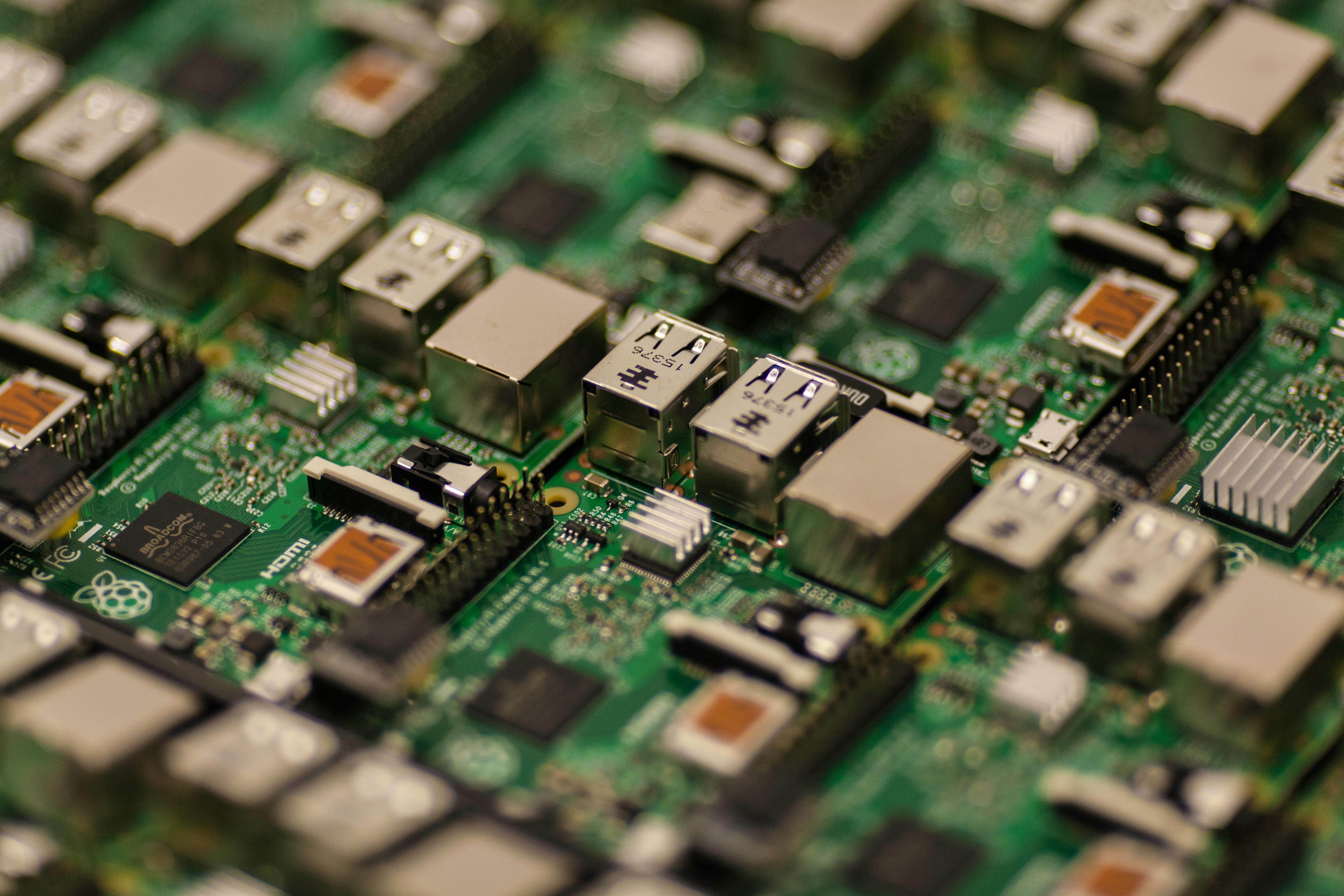
Devices that cannot be reused move into the dismantling phase. Workers manually remove easily separable components such as batteries, screens, circuit boards, cables, and plastic housings. Batteries, especially lithium ion types, require careful handling because of fire risk and chemical hazards. Printed circuit boards are typically separated as high value fractions because they contain precious metals such as gold, silver, palladium, and copper.
After manual dismantling, materials often move into mechanical processing. Shredders break devices into smaller fragments. These fragments are then sorted using a combination of magnetic separation, eddy current separation, density based methods, and optical sorting. Ferrous metals are removed with magnets. Non ferrous metals such as aluminum are separated through induced currents. Plastics are sorted by density or polymer type when economically viable. The goal is to create relatively pure material streams that can be sold to smelters or material recovery facilities.
One of the most valuable fractions in electronic waste is the printed circuit board. Though small in mass, circuit boards contain significant concentrations of copper and trace amounts of precious metals. These boards are often shipped to specialized smelters where they are processed in high temperature furnaces. During smelting, metals are separated through a combination of melting, oxidation, and chemical refining. Copper is typically recovered as a base metal, while precious metals are extracted through subsequent refining steps. The recovery of gold from electronics is often cited as more concentrated per ton than many natural gold ores, which highlights why e waste recycling is economically attractive in certain contexts.
Plastics present a more complicated challenge. Electronics contain mixed polymers, flame retardants, and additives that complicate recycling. In some cases, plastics are downcycled into lower grade products. In other cases, they are incinerated with energy recovery. Concerns exist about brominated flame retardants and other persistent chemicals, which can be released if plastics are not handled properly. This has led to stricter regulations in some jurisdictions regarding the export and processing of plastic fractions from electronic waste.
Not all electronic waste is processed in formal facilities. A significant portion enters informal recycling sectors, particularly in developing regions. In these environments, individuals dismantle devices by hand to extract valuable metals. While this provides income opportunities, it can also involve hazardous practices such as open burning of wires to recover copper or acid leaching of circuit boards to extract gold. These methods release toxic fumes and contaminate soil and water with heavy metals such as lead, mercury, and cadmium. Communities involved in informal e waste processing have in some cases experienced elevated health risks linked to environmental contamination.
International trade plays a major role in the fate of discarded electronics. For years, large volumes of used electronics were exported from high income countries to lower income countries under the label of second hand goods. While some of this trade supported legitimate reuse markets, a portion consisted of non functional devices that effectively shifted the environmental burden of disposal. International agreements such as the Basel Convention seek to regulate the transboundary movement of hazardous waste, including certain categories of electronic waste. Enforcement and classification challenges, however, continue to complicate global flows.
Landfill remains a destination for some electronics, especially in regions without robust recycling systems. When electronic devices are buried, hazardous substances may leach over time. Lead from cathode ray tube glass, mercury from older display backlights, and cadmium from certain components can migrate into groundwater if containment systems fail. Modern engineered landfills reduce but do not entirely eliminate this risk. At the same time, landfilling electronics represents a loss of valuable materials that required significant energy and mining activity to produce.
From a resource perspective, end of life electronics represent an urban mine. The concept of urban mining refers to recovering metals and materials from existing products rather than extracting them from natural ore bodies. Given the growing demand for copper, rare earth elements, lithium, cobalt, and precious metals in renewable energy systems and electric vehicles, electronic waste is increasingly viewed as a strategic resource. However, efficient recovery of certain elements, particularly rare earths embedded in magnets or phosphors, remains technically challenging and not always economically viable.
Data security adds another dimension to the end of life journey. Storage devices such as hard drives and solid state drives contain sensitive information. Before recycling or resale, proper data destruction is critical. In formal facilities, drives may be wiped using certified software or physically destroyed through shredding. Failure to properly sanitize devices can lead to data breaches, identity theft, or corporate espionage. This has led many organizations to adopt strict decommissioning protocols for retired equipment.
Manufacturers are gradually redesigning products with end of life considerations in mind. Design for disassembly aims to make devices easier to take apart, reducing labor costs and improving material recovery rates. Modular components, standardized fasteners, and reduced use of hazardous substances can improve recyclability. Some companies are exploring closed loop systems in which recovered materials are fed back into new product manufacturing. While progress has been made, economic pressures and design constraints often prioritize thinness, integration, and performance over ease of recycling.
The scale of global electronic waste continues to rise each year. Rapid turnover in consumer electronics, combined with the expansion of digital infrastructure, ensures that end of life management will remain a critical environmental and industrial issue. The path a device takes after disposal depends heavily on local policy, global trade patterns, and the economic value of its constituent materials. Some devices are refurbished and enjoy a second life. Others are carefully dismantled and smelted into raw materials for new products. Still others are informally processed or landfilled, carrying environmental and health consequences.
Ultimately, electronics do not simply vanish when they are replaced by newer models. They move into a vast and interconnected system of recovery, reuse, and disposal. Understanding where they go is essential for improving sustainability, reducing environmental harm, and conserving the materials that power modern technology.