When Kids No Longer Recognize the Technology We Grew Up With
by Scott
I sometimes catch myself smiling when my kids stare at an old piece of technology like it’s an artifact pulled from the ground. Not broken, not unfamiliar in a technical sense, just… unrecognised. There’s a pause, a quiet confusion, and then a question that always lands the same way: “What is that?”
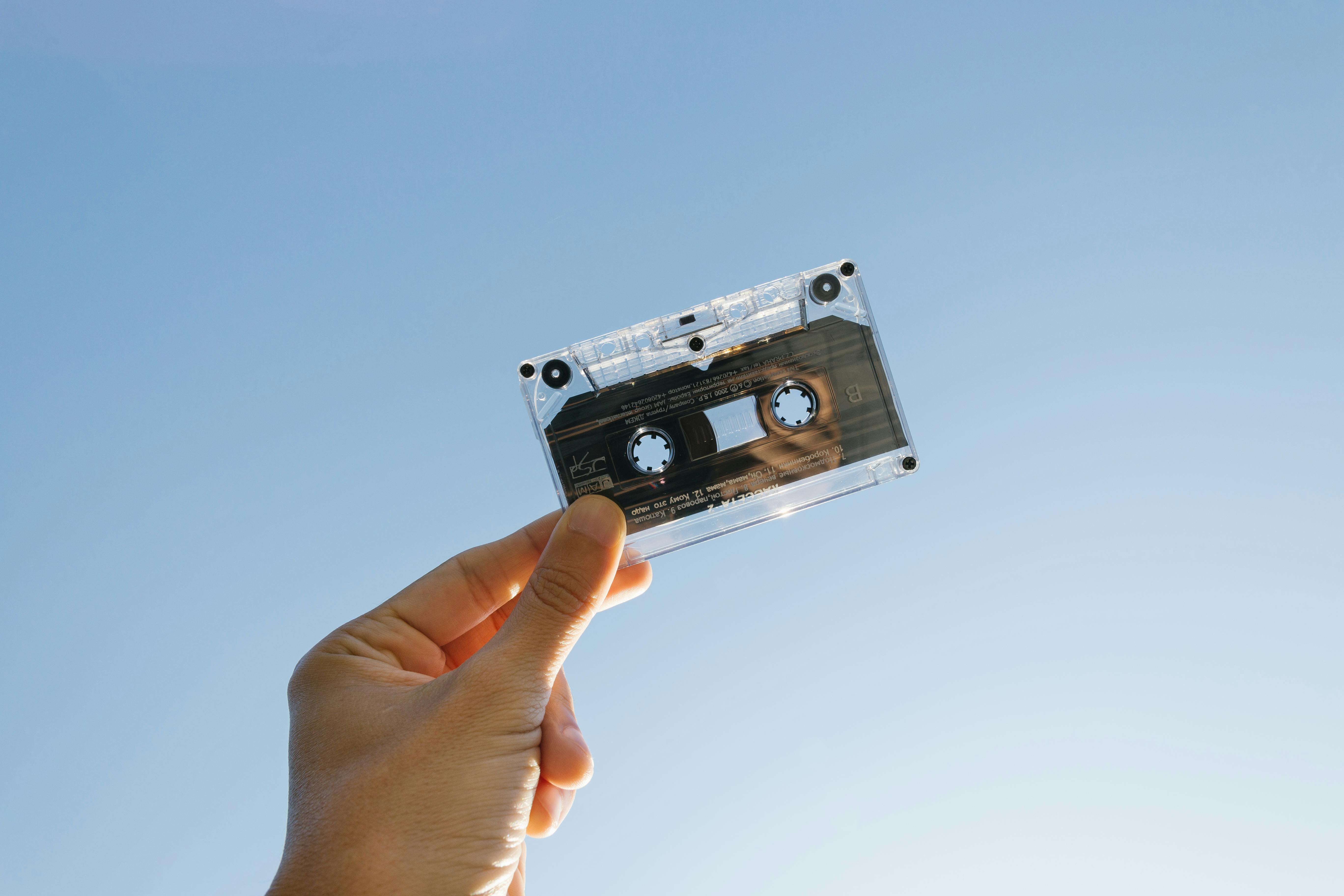
Audio cassette tapes are usually the first to spark that look. I’ll explain that music used to live inside those little plastic rectangles, that you had to rewind them, that sometimes the tape would spill out like a tangled mess of ribbon. They struggle to understand how music could be something you waited for, something you handled carefully, something that could wear out. To them, sound is instant and infinite. To me, it was fragile, physical, and personal.
VHS tapes feel even more distant. I’ll talk about Friday nights at the video store, the excitement of picking one movie, knowing that choice was final. I’ll explain rewinding, tracking issues, the way the picture would warp if the tape was old. They listen politely, but I can tell it sounds like a story from another world. The idea that a movie could be late, unavailable, or physically damaged feels almost impossible to them.
Landline telephones are another curiosity. They’ve seen them in movies, but rarely in real life. I’ll point out how we used to remember phone numbers, how the phone stayed in one place, how calls were shared by the whole household. There was no privacy screen, no vibration mode, no stepping outside for a quiet moment. When the phone rang, it rang for everyone.
CDs and MiniDiscs usually bring a softer reaction. They recognise the shiny discs, but not their importance. I explain skipping tracks manually, carrying binders of albums, carefully avoiding scratches. MiniDisc is the hardest one to explain. It was small, futuristic, and somehow already forgotten. A bridge between eras that came and went before most people even noticed.
Dial-up internet feels like a bedtime story. I describe the sound, the waiting, the fact that using the internet meant no one could use the phone. Pages loaded line by line. Images appeared slowly, like they were being drawn onto the screen. There was time to think, to step away, to be bored. They laugh when I imitate the modem noise, but I can tell it doesn’t fully register. Their internet has never made a sound.
The old white tower PCs in the corner of a room get the most disbelief. Big boxes, loud fans, tangled cables, beige keyboards. Computers that didn’t sleep, that took minutes to start, that demanded patience. Today’s devices disappear into pockets and backpacks. Back then, they announced themselves with noise and heat and space.
Even the sounds of the house were different. Washing machines that clanked and rattled. Fridges that hummed loudly through the night. Technology wasn’t quiet. It reminded you it was there. My kids live in a world where machines whisper, where most things fade into the background unless something goes wrong.
None of this makes me sad. If anything, it makes me grateful. Grateful that I lived through both worlds. Grateful that I can recognise what they’ve gained without forgetting what we had. When my kids don’t recognise these relics, it isn’t because they’re missing something. It’s because time moved on, quietly and completely.
Sometimes I keep these old things around, not to force nostalgia, but to remind myself. To remember that technology once asked more of us, and gave us different kinds of moments in return. And when my kids ask “What is that?” I don’t just explain how it worked. I tell them how it felt.