The Sounds of Old Technology I Still Remember
by Scott
Some of my earliest memories of technology are not visual at all, but audible. Long before screens became silent sheets of glass, machines announced themselves through clicks, whirs, hums, and beeps. These sounds were constant companions, marking different eras of my life and quietly teaching me how the world worked.
One of the first sounds I remember clearly is the mechanical clunk of audio cassette players. Pressing play felt deliberate, and the soft whirr of tape spooling before music began was reassuring. Sometimes the tape would catch, warble, or slowly stretch a song into something distorted. Rewinding made a rapid fluttering noise, and fast-forwarding sounded like anticipation. There was something comforting about knowing the music physically existed on a strip of tape moving past a magnetic head.
Not long after came CD players, which felt futuristic at the time. The drawer sliding out with a smooth motorised hum, the faint spin-up noise as the disc reached speed, and the brief pause before audio began are all etched into my memory. Skipping tracks made a sharp mechanical click, and scratched discs caused the player to hunt endlessly, repeating the same fragment of sound. DVDs and Blu-rays refined this, quieter and faster, but still audible if you listened closely.
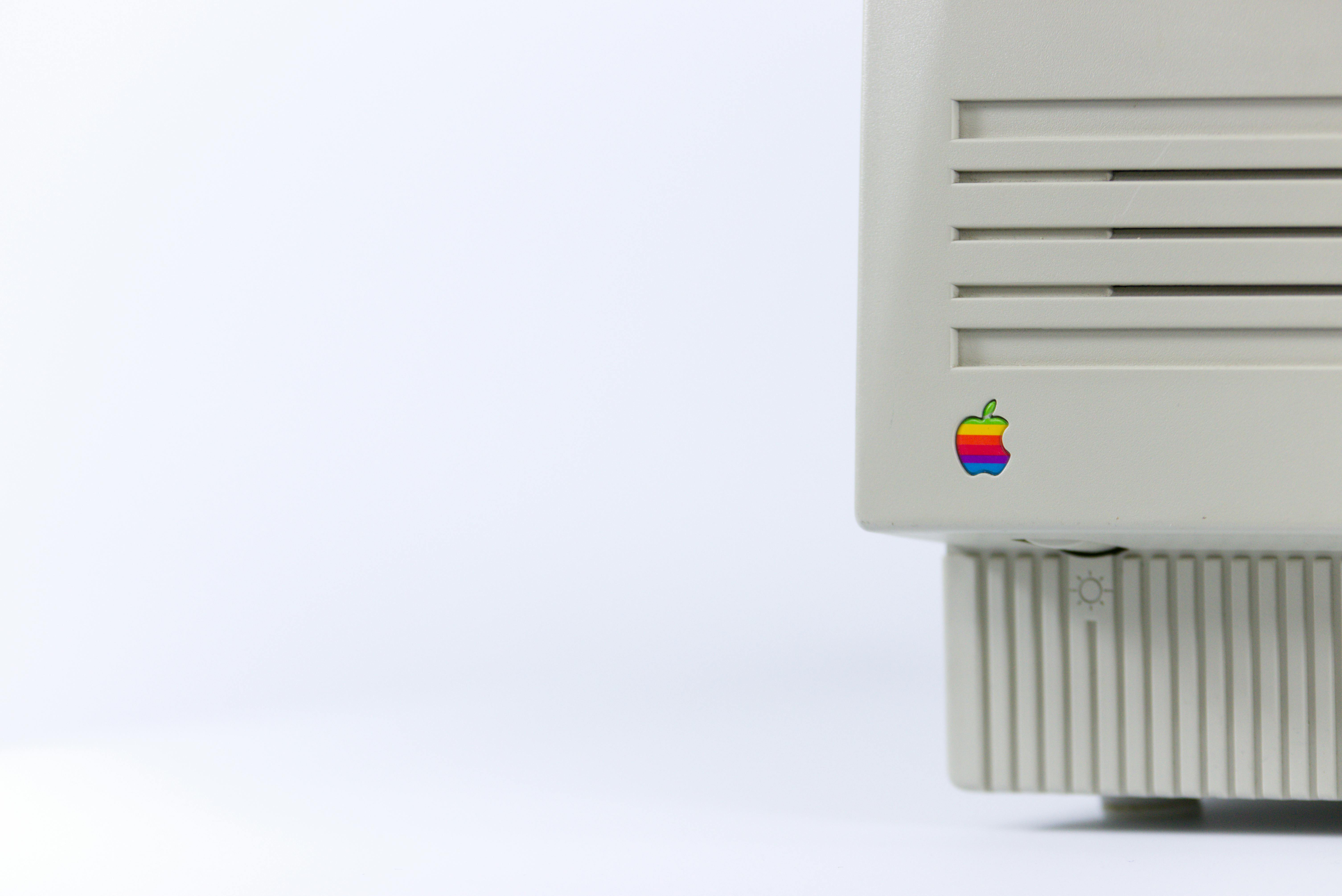
Computers of the early days had personalities defined by sound. The click of a power button, followed by a hard drive spinning up and the rhythmic ticking of disk access, meant the machine was thinking. Modems screamed and chirped as they negotiated a connection, turning data transfer into a bizarre electronic conversation. Even once broadband arrived, fans spun loudly, drives clicked constantly, and startup chimes told you everything had loaded correctly.
Household appliances were far from silent companions. Old refrigerators hummed steadily, occasionally punctuated by a loud click as the compressor engaged. Washing machines rattled, sloshed, and thumped their way through cycles, sounding like serious machinery doing serious work. These noises filled the background of everyday life and made homes feel alive, even late at night.
Televisions were never quiet either. Turning them on produced a sharp crackle of static, sometimes accompanied by a high-pitched whine as the picture tube warmed up. Changing channels brought bursts of static and mechanical clicks from rotary dials or chunky buttons. Even when muted, some TVs emitted a faint ringing sound that only younger ears could hear.
Cars had their own soundtrack as technology crept inside them. Cassette decks clicked into place, CDs skipped over bumps, and dashboard buttons made satisfying mechanical snaps. Engines were louder, indicators clicked more aggressively, and electric windows groaned their way up and down. Even unlocking a car often came with a distinctive clunk or chirp that felt reassuringly physical.
Portable devices added a new layer of sound to daily life. Early MP3 players and iPods clicked softly as their internal drives spun up, especially noticeable when skipping tracks. The scroll wheel itself produced subtle tactile noises that made browsing music feel intentional. Early mobile phones chimed, beeped, and vibrated loudly, with keypads that clicked under your fingers and ringtones that were unmistakably synthetic.
Public machines had their own unmistakable audio signatures. Vending machines clunked and rattled as cans dropped into place. ATMs whirred and beeped while counting cash. Ticket machines buzzed, printed, and tore paper with sharp mechanical precision. These sounds gave feedback and reassurance that something was happening behind the scenes.
Even toys were noisy in ways modern ones rarely are. Battery compartments rattled, plastic gears whined, and speakers crackled with low-quality sound effects. Pressing a button often triggered a short delay filled with mechanical noise before anything actually happened. These imperfections made the toys feel more alive, more tangible.
As technology advanced, many of these sounds slowly disappeared. Solid-state storage replaced spinning disks. Touchscreens replaced buttons. Appliances grew quieter, cars smoother, and devices more sealed and opaque. Today, silence often means efficiency, but it also means mystery. You rarely hear what your devices are doing anymore.
Looking back, I realise those sounds were signals of trust. A noise meant something was happening. A click meant a connection. A hum meant power was flowing. These audible cues gave technology character and presence, grounding it in the physical world. While I appreciate the quiet efficiency of modern devices, I sometimes miss those sounds. They were imperfect, noisy, and occasionally annoying, but they made technology feel human, mechanical, and wonderfully alive.