The Future Of Automotive Technology
by Scott
The future of automotive technology is unfolding as a quiet but profound transformation of how humans move, interact with machines, and experience the world around them. Cars are no longer just mechanical devices built around engines and wheels; they are becoming rolling computers, networked systems, and adaptive environments that respond to both drivers and the world beyond the windshield.
One of the most visible shifts is the gradual move away from internal combustion engines toward electrification. Electric vehicles are changing the fundamentals of vehicle design, eliminating complex drivetrains in favor of simpler electric motors and battery systems. This transition is driven not only by environmental concerns, but also by efficiency, lower maintenance requirements, and the ability to integrate software more deeply into vehicle operation. As battery technology improves and charging infrastructure expands, electric vehicles are likely to become the default rather than the alternative.
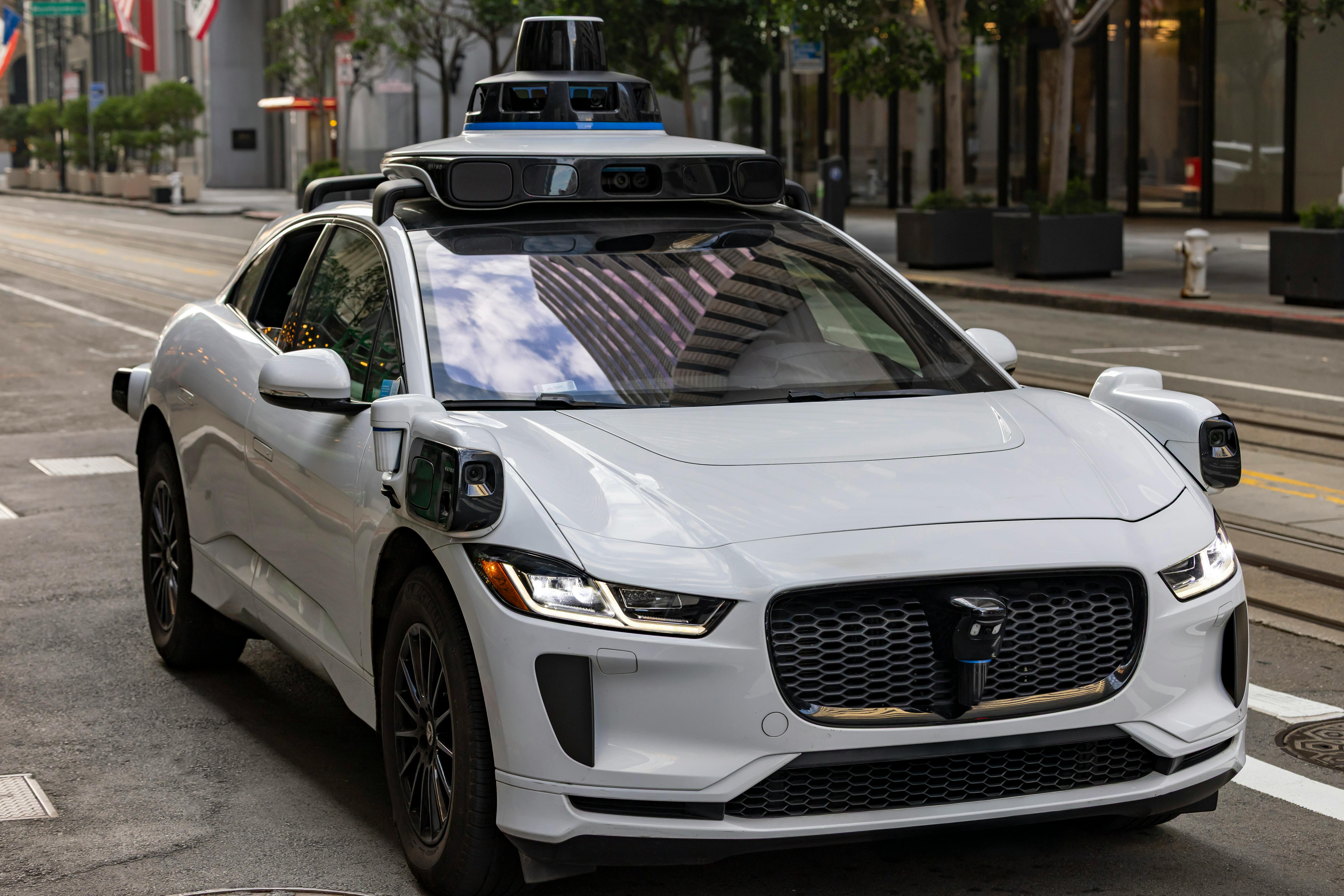
Autonomous driving technology represents another major pillar of automotive evolution. While fully self-driving cars remain a work in progress, advanced driver assistance systems are already reshaping how people drive. Features like adaptive cruise control, lane keeping, automated braking, and traffic-aware navigation are steadily reducing the cognitive load on drivers. Over time, these systems may evolve into higher levels of autonomy, especially in controlled environments such as highways, logistics routes, and urban centers designed for autonomous traffic.
Software is rapidly becoming the defining feature of modern vehicles. Over-the-air updates allow manufacturers to improve performance, fix bugs, and introduce new features long after a car leaves the factory. This software-driven approach turns vehicles into platforms rather than static products, enabling continuous refinement throughout their lifespan. As a result, the relationship between car owners and manufacturers is shifting from one-time transactions to ongoing digital ecosystems.
Connectivity is also reshaping how vehicles interact with their surroundings. Cars are increasingly able to communicate with smartphones, home systems, navigation services, and even other vehicles. Vehicle-to-vehicle and vehicle-to-infrastructure communication promises safer roads by sharing information about traffic conditions, hazards, and road changes in real time. This interconnected environment could significantly reduce accidents and improve traffic flow, particularly in densely populated areas.
The interior of future vehicles is likely to change just as dramatically as the technology under the hood. As driving becomes more automated, the cabin may evolve into a flexible space for work, entertainment, or relaxation. Displays may become more immersive, voice interfaces more natural, and physical controls less dominant. Materials, lighting, and sound design will play a greater role in shaping the emotional experience of travel, not just the functional one.
Safety remains a central focus of automotive innovation. Future vehicles will rely on an expanding array of sensors, cameras, radar, and lidar systems to monitor both the external environment and the occupants inside. These systems can detect fatigue, distraction, or medical emergencies, and respond faster than a human driver ever could. Over time, this layered approach to safety could dramatically reduce fatalities and serious injuries on the road.
Manufacturing processes are also evolving alongside vehicle technology. Automation, robotics, and data-driven quality control are enabling more efficient and precise production. Modular vehicle architectures allow manufacturers to build multiple models from shared platforms, reducing cost and accelerating innovation. At the same time, sustainability concerns are influencing material choices, recycling practices, and supply chain design.
Ownership models may also change as automotive technology advances. Subscription-based features, shared mobility services, and autonomous fleets could reduce the need for individual car ownership in some regions. For many people, access to transportation may become more important than owning a specific vehicle, particularly in cities where space, cost, and congestion are ongoing challenges.
Despite these advances, the future of automotive technology will not be without friction. Regulatory frameworks, ethical questions around autonomy, cybersecurity risks, and uneven access to infrastructure will all shape how quickly and evenly progress unfolds. Vehicles that are deeply connected and software-driven must also be secure, resilient, and trustworthy in a world where digital threats are increasingly common.
Ultimately, the future of automotive technology is not just about faster cars or smarter dashboards. It is about redefining mobility itself. Cars are becoming extensions of digital life, blending physical movement with software intelligence and networked awareness. As this transformation continues, the automobile will evolve from a standalone machine into an integral part of a broader technological ecosystem that shapes how people live, work, and connect with the world around them.