The Evolution of the Modern Smartphone
by Scott
For much of their early history, mobile phones were simple tools designed for a narrow purpose. They made calls, sent text messages, stored a small contact list, and little else. These so-called “dumb phones” were defined by physical keypads, small monochrome or low-resolution colour screens, and tightly limited software. They were reliable, efficient, and focused, but fundamentally constrained by both hardware and design philosophy.
The shift toward smartphones began in the late 1990s and early 2000s, when manufacturers started experimenting with phones that blended communication with computing. One of the earliest devices that fits the modern definition of a smartphone was the IBM Simon, released in 1994. Its form factor resembled a thick touchscreen slab, and it introduced ideas that were well ahead of their time, including email, a calendar, notes, and basic applications accessed through a touch interface. While it was bulky and expensive, it demonstrated that a phone could be more than a voice device.
Throughout the early 2000s, smartphones evolved slowly. Devices from manufacturers like Nokia, BlackBerry, and Palm introduced email, mobile web browsing, and downloadable applications. These phones typically used physical keyboards or styluses and ran operating systems designed around efficiency rather than visual polish. Compared to dumb phones, they offered vastly greater capability, but they still appealed primarily to business users and enthusiasts. Battery life, processing power, and mobile data speeds were limiting factors, keeping smartphones from becoming truly mainstream.
The turning point arrived in the late 2000s with the introduction of modern mobile operating systems designed for touch-first interaction. Apple’s iPhone operating system debuted in 2007, followed shortly by Android in 2008. These platforms reimagined the phone as a pocket computer with a large touchscreen, powerful graphics, and an application ecosystem at its core. Instead of fixed functionality, smartphones became extensible platforms that could evolve through software alone.
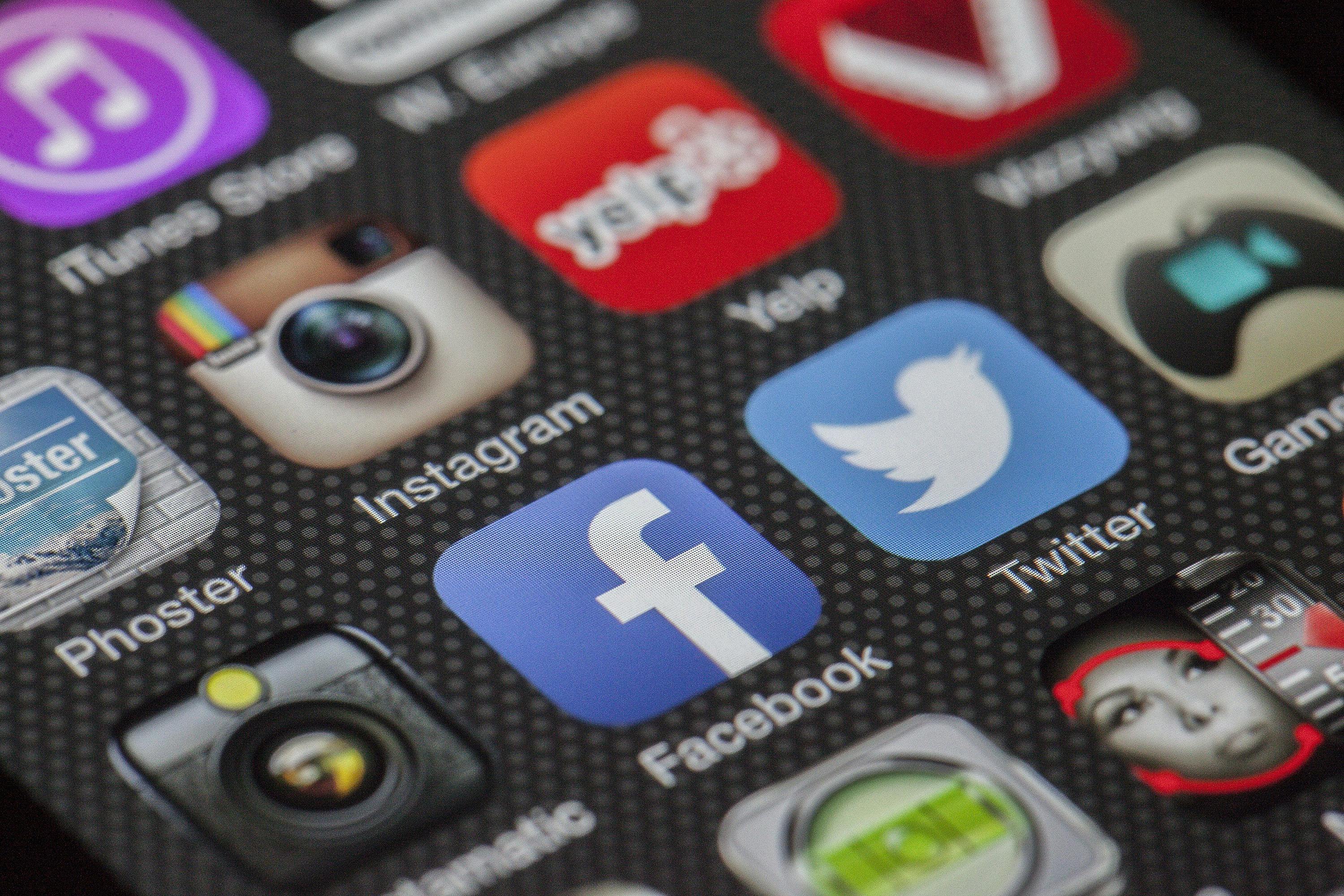
What smartphones opened up was not just more capability, but a new model of computing. App stores allowed third-party developers to create tools for navigation, photography, social networking, banking, gaming, and productivity. High-quality cameras turned phones into primary imaging devices. Sensors such as GPS, accelerometers, and gyroscopes enabled location-aware and motion-based applications. Always-on connectivity meant that information, communication, and services were available instantly, anywhere.
Android and iOS became mainstream because they aligned with broader technological trends. Mobile data networks improved rapidly, touchscreens became affordable and responsive, and cloud services made synchronization seamless. Developers gravitated toward platforms with large user bases, and users followed ecosystems with the best applications. Over time, smartphones displaced not only dumb phones, but also standalone devices like cameras, GPS units, music players, and even personal computers for many everyday tasks.
Looking ahead, smartphone features continue to evolve, though often in subtler ways. Advances in artificial intelligence are bringing more contextual assistance, on-device processing, and real-time translation. Improvements in camera systems, battery efficiency, and display technology continue steadily. Foldable and dual-screen designs hint at new form factors that blur the line between phone and tablet, while augmented reality capabilities are becoming more practical as sensors and processors improve.
The future of smartphones may involve a gradual shift away from the device itself as the central focus. Form factors are likely to diversify rather than converge, with phones acting as hubs that connect to wearables, glasses, and other interfaces. Operating systems will increasingly emphasize continuity across devices, allowing users to move seamlessly between screens while maintaining the same data and workflows. The phone may become less about what it is, and more about how it connects everything else.
In conclusion, the transition from dumb phones to smartphones was not a single moment, but a series of technological and cultural shifts that redefined what a phone could be. Smartphones succeeded because they transformed communication into a platform for computing, creativity, and connection. As they continue to evolve, their greatest impact may lie not in new features, but in how quietly and completely they integrate into everyday life.