The Day I Stopped Knowing Phone Numbers
by Scott
There was a time when phone numbers lived in my head, not in my pocket. I didn’t think much about it back then because it felt normal. Numbers were memorised out of necessity, not effort. If you wanted to call someone, you had to know their number or have it written somewhere nearby. One day, without any clear moment marking the change, I realised that I no longer knew anyone’s phone number by heart. Not even the ones that once felt impossible to forget.
Growing up, certain numbers were burned into memory. Home numbers, grandparents, close friends, the local takeaway, even the neighbour down the street. I can still recall some of them now, decades later, even though they’re completely useless. Those numbers had rhythm. You repeated them enough times that they became familiar, almost musical. Dialling them on a keypad reinforced the pattern, muscle memory working alongside mental recall.
Back then, forgetting a number had consequences. You couldn’t just look it up instantly. If you didn’t remember it, you didn’t make the call. That friction forced your brain to hold onto information longer. Phone numbers weren’t abstract data, they were connections to people. Knowing someone’s number meant knowing how to reach them, and that knowledge felt personal.
The shift started quietly. Mobile phones arrived with contact lists, and suddenly there was no penalty for forgetting. At first, I still memorised numbers out of habit. Then, slowly, the habit faded. Why remember a number when the phone would remember it for me? Names replaced digits. Faces replaced names. Eventually, even recognising numbers stopped mattering. Everything became searchable.
At some point, I noticed I couldn’t dial my own phone number without checking. That moment felt strange. This was information I once repeated endlessly, yet now it existed only because a device stored it. If my phone was dead or missing, that knowledge was gone with it. The number still existed, but not in my head.
What disappeared along with phone numbers was a certain kind of mental ownership. Memorising numbers exercised memory in a simple but consistent way. It trained recall, attention, and repetition. Losing that didn’t break anything, but it did remove a small, everyday challenge that once kept the mind sharper without effort.
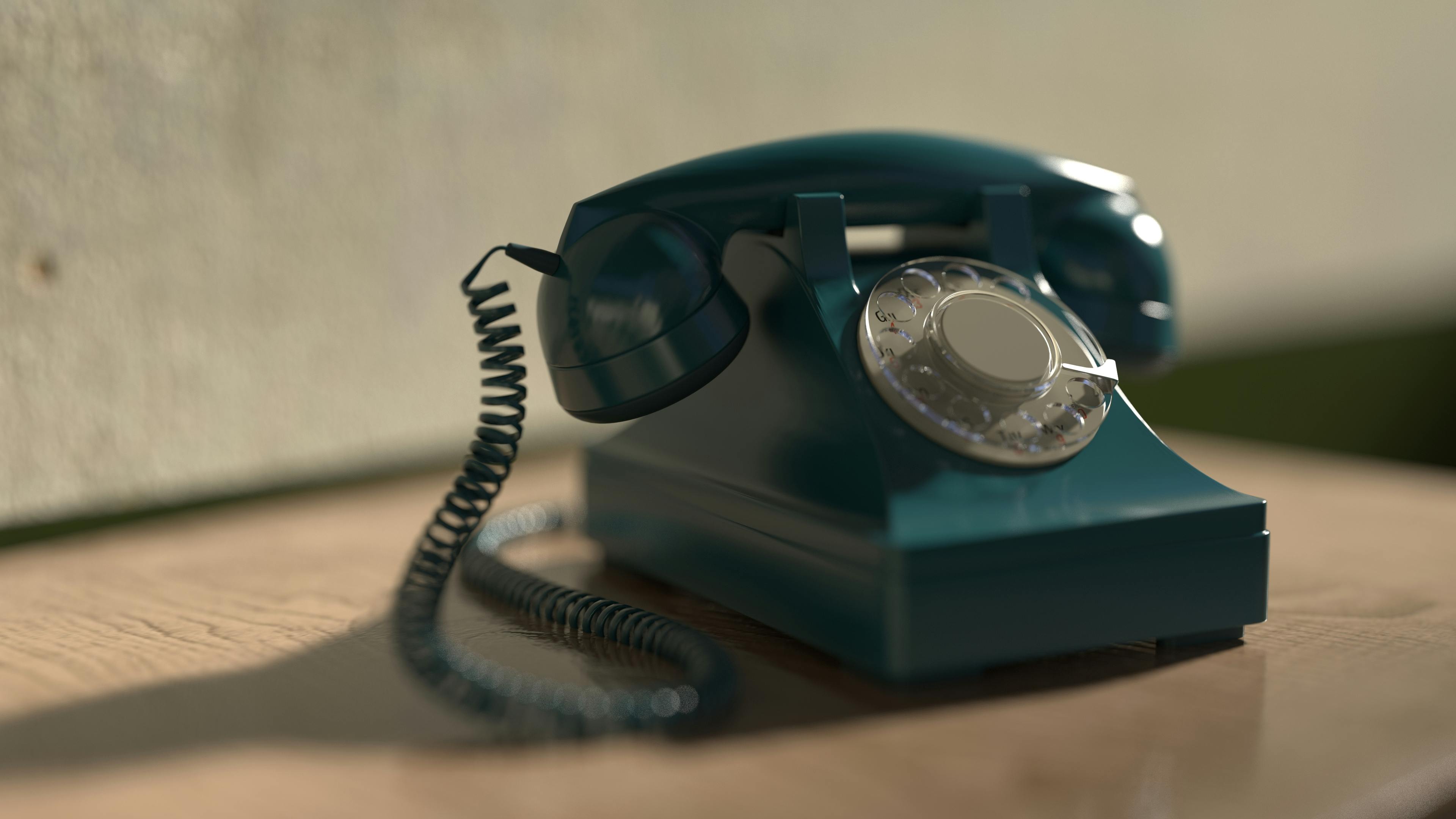
It also changed how relationships felt. Knowing someone’s number used to mean something. It implied closeness or frequency. Today, relationships are stored as entries, complete with profile photos, nicknames, and metadata. That’s convenient, but it’s also impersonal. The phone holds the relationship, not the memory.
There’s also a fragility to it. If your phone is lost, broken, or inaccessible, you’re suddenly disconnected in a way that didn’t exist before. I’ve felt that anxiety, standing somewhere without my phone, realising I couldn’t call anyone even if I needed to. Not because the technology failed, but because my memory no longer carried the backup.
I don’t think this change is bad, just different. We offload information to technology to make room for other things. That’s the trade-off. My brain no longer stores numbers, but it does store workflows, patterns, and problem-solving shortcuts that didn’t exist before. Still, I sometimes wonder what we lose when memory becomes optional.
Occasionally, I try to memorise a number again, just to see if I can. It feels harder than it used to be. Not impossible, but unfamiliar. The muscles are still there, just underused. It reminds me that memory is a skill, not a fixed trait, and skills fade when they’re no longer needed.
The day I stopped knowing phone numbers wasn’t dramatic. It didn’t feel like loss at the time. It was simply the day technology became reliable enough that memory stepped aside. Only in hindsight did I notice what vanished, quietly and without complaint.
Now, when I scroll through my contacts, I’m grateful for the convenience, but I also feel a faint nostalgia for the simplicity of knowing. Not everything needs to be remembered anymore, and that’s progress. Still, there was something grounding about carrying connections in your head, rather than in a device. Something human that didn’t need charging.