The Cloud as the Computer: A Glimpse Into the Next Era of Computing
by Scott
For much of computing history, the power of a system has been defined by the hardware sitting on a desk or in a pocket. Processing speed, storage capacity, and graphical capability were all constrained by the physical device in front of the user. While cloud services already play a major role behind the scenes, the broader idea that computing itself will fully migrate to the cloud is still not on everyone’s radar. Yet, when current trends are followed to their logical conclusion, a future where nearly all computing lives in the cloud becomes increasingly plausible.
In this model, personal devices would no longer be the primary source of computing power. Instead, they would act as gateways into powerful, remote systems. A laptop, tablet, phone, or headset would mainly serve as an interface for input and display, while the real work happens elsewhere. This approach separates computing capability from the physical form factor, allowing users to access the same system from virtually any device.
One of the most compelling aspects of this shift is scalability. Rather than purchasing a single machine that must handle every possible workload, users could choose computing modes tailored to their needs. A basic productivity mode might provide modest resources suitable for browsing, writing, spreadsheets, and communication. A more demanding mode could temporarily unlock additional processing power and graphics capability for tasks such as video editing, software development, computer-aided design, or data analysis. For gaming or rendering, specialized hardware configurations could be enabled on demand, delivering high performance without requiring users to own expensive equipment.
This flexibility would allow for a wide range of pricing options. Users who only need basic functionality could access powerful systems at relatively low cost, paying only for the resources they use. Power users, professionals, and enthusiasts could scale up when needed, without committing to high upfront hardware purchases. Over time, this could make advanced computing more accessible while reducing electronic waste and hardware obsolescence.
Another major benefit of cloud-based computing is consistency. Your entire software environment, personal data, and configuration would exist in one place. Whether you sign in from a desktop at home, a lightweight laptop while traveling, a shared terminal, or a future interface such as virtual or augmented reality, the experience would remain the same. Files, applications, and settings would follow you automatically. This level of continuity would fundamentally change how people think about ownership and portability in computing.
Connectivity plays a crucial role in making this vision viable. As global internet infrastructure improves and satellite-based connectivity becomes more widespread and affordable, access to cloud systems becomes less dependent on location. Reliable connectivity in rural areas, on the move, or across borders brings the idea of a globally accessible personal computing environment closer to reality. In such a world, “being offline” becomes the exception rather than the norm.
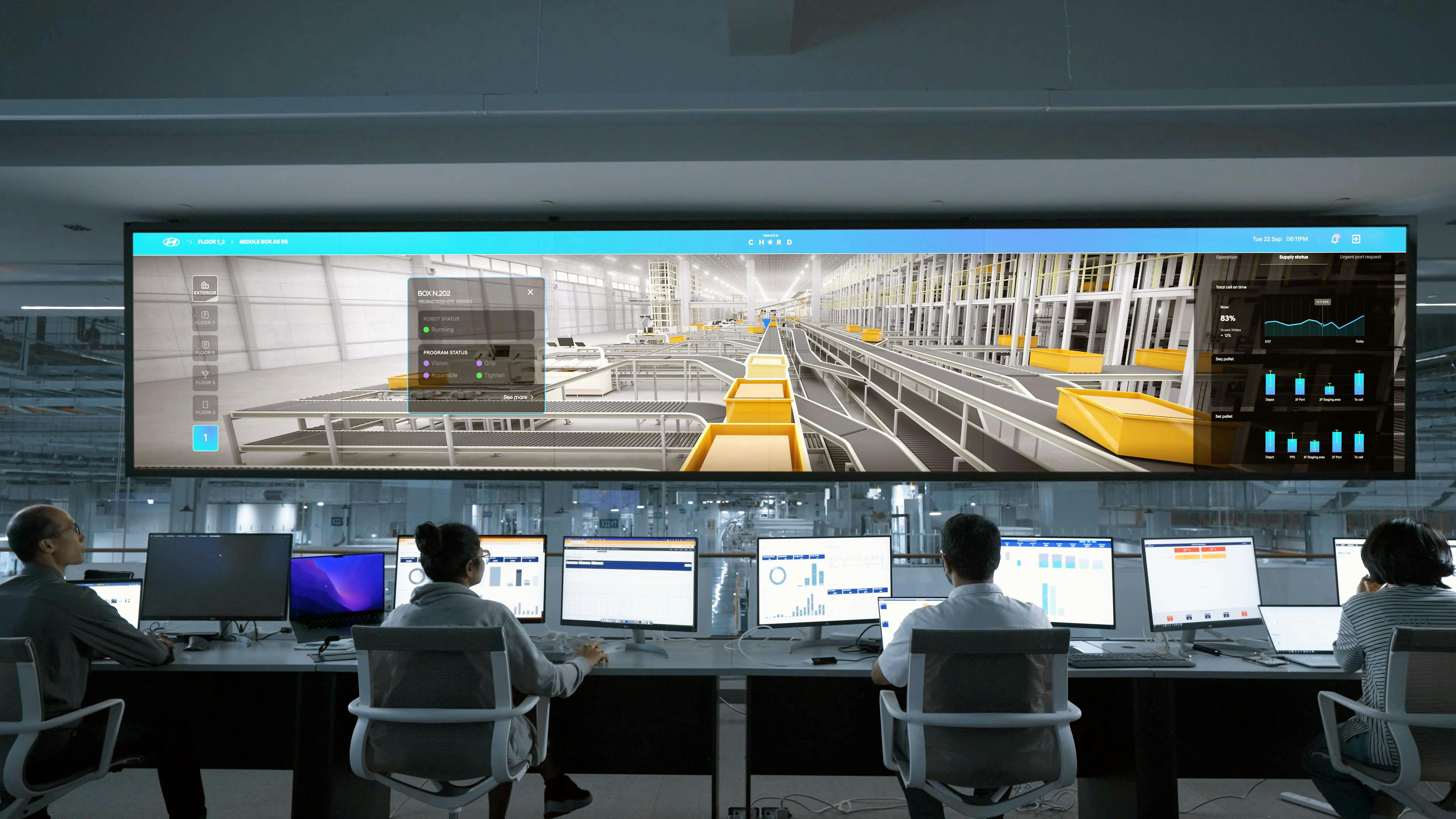
Software distribution would also change significantly. Instead of installing applications locally, users could enable software instantly within their cloud environment. Some tools might be included as part of a base system, such as a browser, email, and common productivity applications. More specialized software could be activated when needed, potentially billed only for the time it is used. This reduces friction, simplifies maintenance, and removes compatibility issues between devices.
Security and reliability could improve as well. Centralized systems managed by professional administrators can be updated, monitored, and protected more effectively than millions of individual machines. Many common issues, such as malware infections, inconsistent configurations, and unstable local networks, could be mitigated or eliminated when the core system runs in a controlled environment. While new security considerations would emerge, the overall model offers opportunities for more robust protection and faster response to threats.
Perhaps the most transformative aspect of this future is how it reshapes interaction. Computing would no longer be tied to a single screen or keyboard. Users could move fluidly between traditional desktops, immersive virtual environments, and smart devices, choosing the interface that best fits the task at hand. The underlying system remains the same; only the way it is accessed changes. This opens the door to entirely new workflows and ways of thinking about human-computer interaction.
This shift will not happen overnight, and it will not be without challenges. Latency, privacy concerns, trust in providers, and the need for resilient infrastructure all require careful consideration. Yet the trajectory is clear. As computing becomes more networked, more scalable, and more abstracted from physical devices, the cloud increasingly resembles not just a service, but the computer itself.
Looking ahead, this evolution has the potential to simplify technology rather than complicate it. By reducing the burden of hardware management, software installation, and system maintenance, cloud-based computing can allow people to focus more on creation, communication, and problem-solving. It offers a future where powerful computing is available anywhere, adaptable to any need, and accessible to more people than ever before. If approached thoughtfully, this transition could redefine technology as something less owned and more experienced, opening the door to a more flexible and inclusive digital world.