The Advantages and Disadvantages of Solar Energy in Domestic Homes
by Scott
Solar energy has moved from a niche environmental concept to a mainstream option for domestic electricity generation in many parts of the world. Over the past two decades the cost of photovoltaic panels has fallen dramatically while efficiency has steadily improved. As a result millions of households now generate at least part of their electricity from rooftop solar systems. Despite this growth solar energy in domestic homes remains a technology with both clear advantages and meaningful limitations that homeowners must understand before investing.
One of the most significant advantages of domestic solar energy is the ability to generate electricity at the point of use. Traditional electricity systems rely on centralized power stations that transmit electricity over long distances through transmission and distribution networks. At each stage some energy is lost as heat. Rooftop solar systems avoid most of these losses because electricity is produced directly on the property. This local generation can improve overall system efficiency and reduce strain on grid infrastructure during peak daylight hours.
Another major benefit is the reduction in household electricity bills. Once a solar system is installed the marginal cost of generating electricity from sunlight is effectively zero. Homeowners who consume the electricity they generate can offset a portion of their grid purchases. In many jurisdictions surplus electricity can be exported back to the grid in exchange for credits or payments. Over the lifetime of a system which often exceeds twenty five years these savings can be substantial. In regions with high retail electricity prices the financial payback period for solar installations can be relatively short compared to the expected lifespan of the equipment.
Solar energy in domestic settings also reduces greenhouse gas emissions associated with electricity consumption. Fossil fuel power stations that burn coal or natural gas release carbon dioxide and other pollutants. When a household generates electricity from solar panels it displaces some of this fossil fuel generation at the system level. The exact emissions reduction depends on the carbon intensity of the local grid but in many countries rooftop solar contributes meaningfully to decarbonization targets. Over the lifetime of a typical residential system the avoided emissions can amount to several tonnes of carbon dioxide.
From an energy security perspective domestic solar provides a degree of resilience. When combined with battery storage systems households can continue to power essential loads during grid outages. Even without batteries solar systems can reduce dependence on imported fuels by increasing the share of locally generated renewable energy. At a national scale widespread rooftop solar can diversify the energy mix and reduce exposure to fuel price volatility in global markets.
Technological maturity is another advantage. Photovoltaic technology has been deployed at scale for decades and the core components are well understood. Modern panels commonly have performance warranties of twenty five years or more and degradation rates are relatively low. Inverters and mounting systems have also improved in reliability. This maturity reduces technical risk for homeowners compared to more experimental energy technologies.
However domestic solar energy also presents disadvantages and constraints that must be considered. One of the primary challenges is intermittency. Solar panels only generate electricity when exposed to sufficient sunlight. Output varies with time of day weather conditions and season. In many climates winter production is significantly lower than summer production due to shorter days and lower sun angles. Without storage systems households remain dependent on the grid to supply electricity when solar output is insufficient.
The initial capital cost of installation remains a barrier for some homeowners. Although costs have declined significantly the upfront expense of purchasing panels inverters mounting hardware and installation services can still amount to several thousand dollars. While financing options and incentives may be available not all households have equal access to capital or credit. Renters and residents of multi unit dwellings often face additional structural and ownership barriers that prevent them from installing rooftop systems.
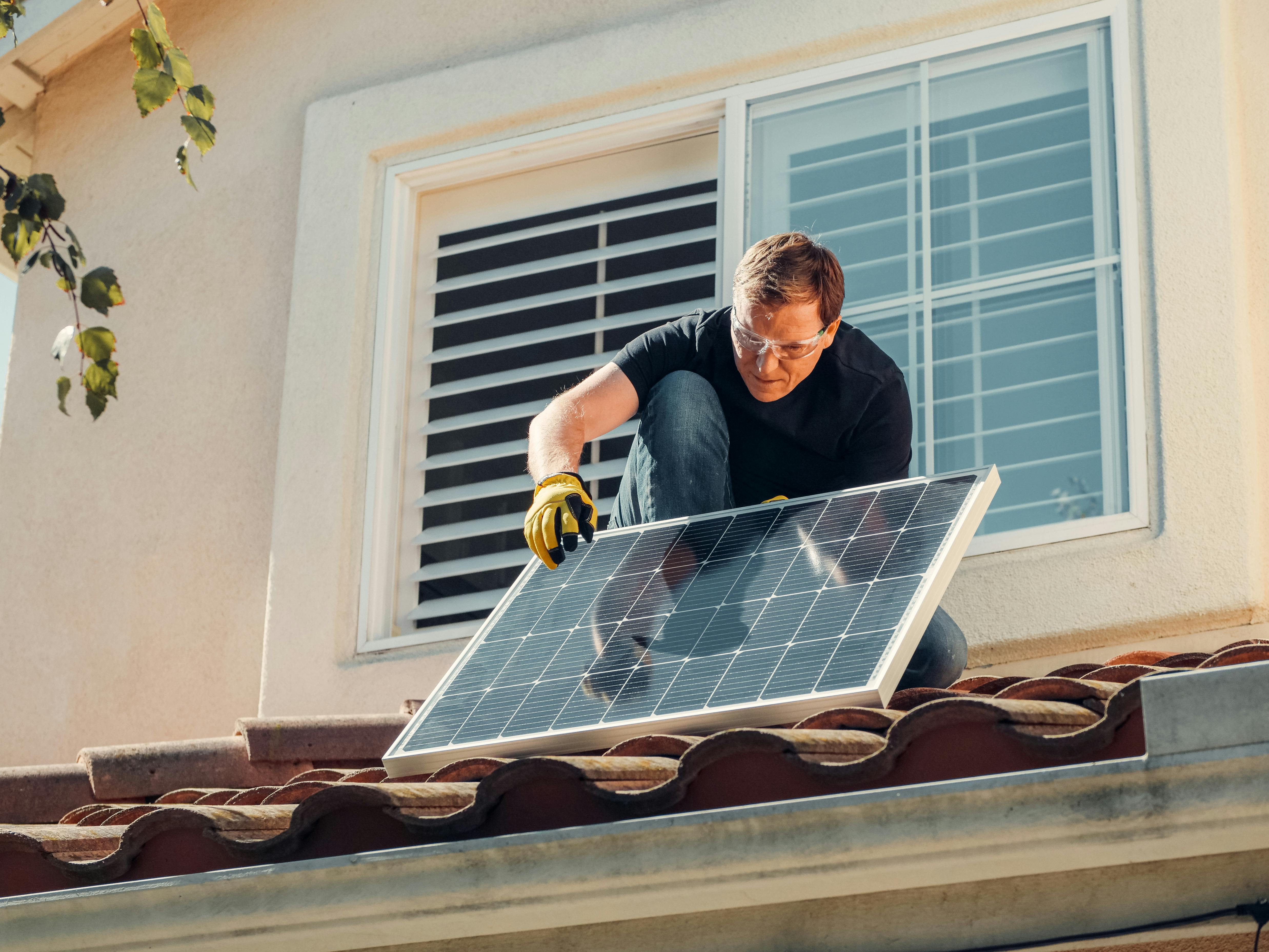
Roof suitability is another limiting factor. Solar panels require adequate roof space with appropriate orientation and minimal shading. Roofs that face south in the northern hemisphere or north in the southern hemisphere typically provide optimal exposure but many homes have suboptimal orientations. Shading from trees chimneys or nearby buildings can significantly reduce output. Roof age and structural integrity must also be considered since panels add weight and are typically installed for decades. If a roof requires replacement during the lifetime of the system additional costs may be incurred to remove and reinstall panels.
Energy storage adds complexity and cost. Batteries allow households to store excess daytime generation for use in the evening or during outages but current battery technologies remain relatively expensive on a per kilowatt hour basis. Batteries also have finite cycle lives and degrade over time. The economic case for adding storage depends on local electricity tariffs time of use pricing and feed in compensation structures. In some regions the additional investment in storage significantly extends the payback period.
Grid integration presents broader systemic challenges. As more households install rooftop solar the distribution network may experience reverse power flows during periods of high generation and low demand. This can lead to voltage regulation issues and may require upgrades to transformers and lines. In some areas utilities have introduced limits on the size of systems or reduced export payments to manage these impacts. Such policy and regulatory changes can affect the long term financial assumptions of residential solar investments.
Another disadvantage relates to lifecycle environmental impacts. Although solar panels generate electricity without emissions during operation their manufacturing involves energy intensive processes and the use of materials such as silicon silver aluminum and glass. Mining and processing these materials carry environmental footprints. While lifecycle analyses generally show that solar systems offset their embodied energy within a few years of operation the upstream impacts are not negligible. End of life management is also an emerging issue as early generations of panels approach retirement and recycling infrastructure continues to develop.
Performance variability can also affect homeowner expectations. Real world output may differ from initial projections due to installation quality inverter performance temperature effects and degradation. High temperatures can reduce panel efficiency and dust accumulation can lower output if panels are not periodically cleaned in dusty environments. Accurate system design and professional installation are therefore critical to achieving expected performance.
Policy dependence is another factor. In many markets the growth of domestic solar has been supported by subsidies tax credits or favorable feed in tariffs. Changes in government policy can alter the economics of new installations. While the underlying cost reductions in technology have made solar increasingly competitive without incentives policy stability remains important for investor confidence at the household level.
Insurance and maintenance considerations also play a role. While solar systems generally require limited maintenance homeowners may need to update insurance policies to cover the added equipment. Inverters often have shorter warranties than panels and may require replacement during the system lifetime. These ongoing considerations must be factored into total cost of ownership calculations.
In evaluating domestic solar energy the balance between advantages and disadvantages depends heavily on local context. Regions with high solar irradiance high electricity prices and supportive regulatory frameworks tend to offer stronger financial and environmental cases for rooftop systems. In areas with low sunlight or low retail electricity costs the economic case may be weaker even though environmental benefits still exist.
Looking ahead technological advancements continue to improve the value proposition of domestic solar. Panel efficiencies have steadily increased and new cell architectures aim to extract more energy from the same surface area. Battery costs have been declining as manufacturing scales up and chemistries evolve. Smart inverters and home energy management systems allow households to optimize self consumption and interact more dynamically with the grid. These developments may mitigate some of the current disadvantages over time.
In conclusion solar energy in domestic homes offers clear benefits in terms of reduced electricity bills lower operational emissions and enhanced energy independence. At the same time it introduces challenges related to intermittency upfront cost grid integration and lifecycle impacts. A careful assessment of site conditions financial assumptions and local regulations is essential for homeowners considering installation. As technology and policy continue to evolve domestic solar is likely to remain an important component of residential energy systems but it is not a universal solution and must be evaluated within the broader context of household energy needs and grid infrastructure.