Pokémon Go and the Moment Mobile Gaming Stepped Into the Real World
by Scott
Games like Pokémon Go fundamentally changed how many people think about mobile gaming by proving that a phone could be more than a small screen for casual taps and time-killers. Pokémon Go showed that mobile devices could blend the physical and digital worlds, encouraging people to move, explore, and interact with their surroundings in ways that had rarely been attempted at scale before. It shifted expectations from purely screen-based play to experiences that exist in the real world, layered with digital meaning.
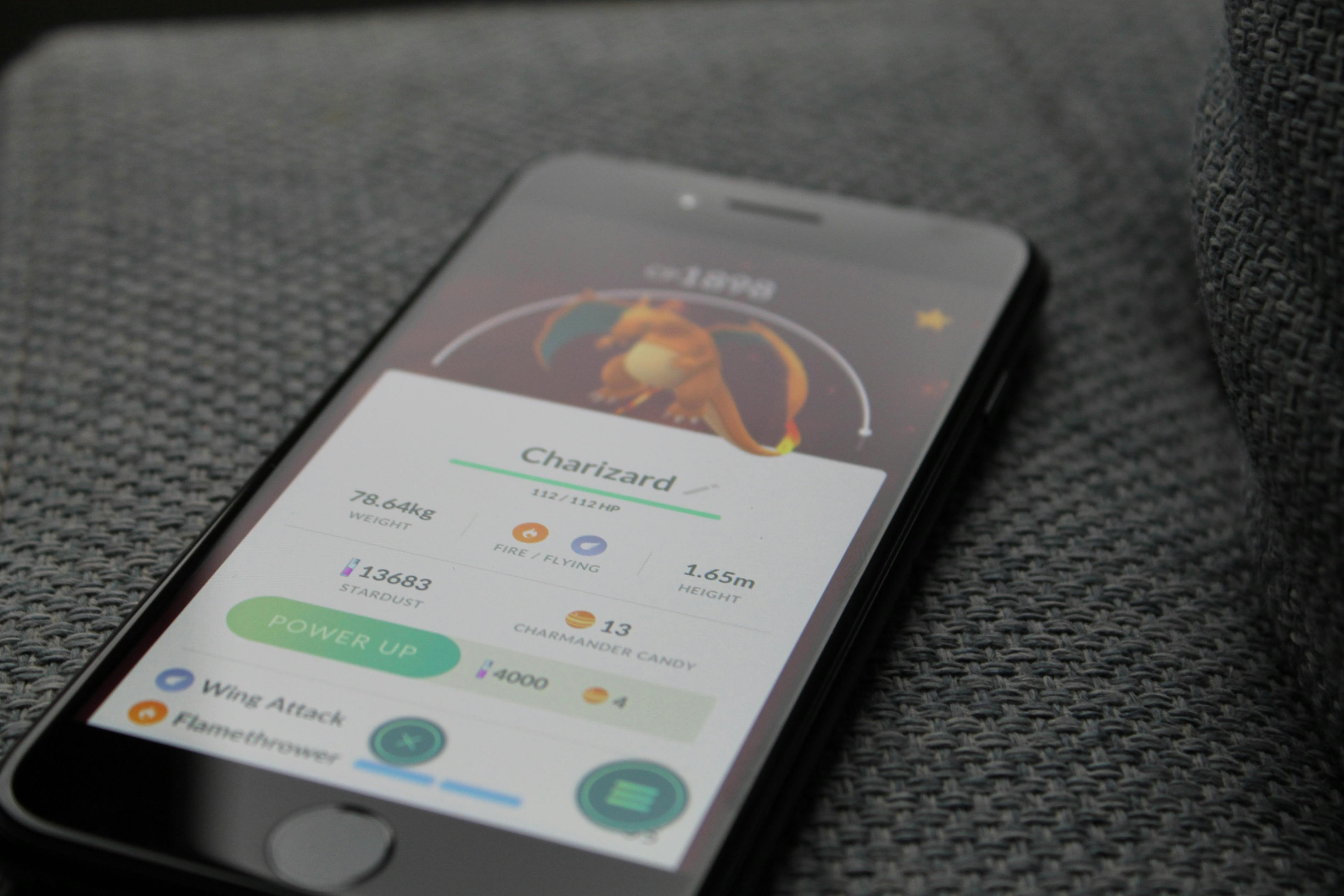
Pokémon Go itself is an augmented reality mobile game where players explore real locations to find, catch, train, and battle Pokémon. Using GPS, mapping data, and a camera overlay, the game places Pokémon into real environments such as parks, streets, and landmarks. This simple but powerful idea turned everyday places into interactive game spaces. A walk to the shops could become a hunt for rare creatures, and familiar locations gained new significance as PokéStops or gyms.
At its peak shortly after release in 2016, Pokémon Go attracted tens of millions of daily active users worldwide, with estimates placing total downloads well above half a billion. Entire cities experienced sudden surges of foot traffic as players gathered in popular locations. Years later, while the daily player count is smaller, the game still maintains millions of active users globally. Regular updates, seasonal events, and new features have helped sustain a dedicated community far beyond the initial hype.
One of the key reasons for Pokémon Go’s lasting popularity is its always-ready nature. The game lives in a pocket, ready to be opened at a moment’s notice. New challenges appear dynamically through events, raids, and time-limited bonuses, giving players reasons to check in daily. Unlike traditional console games that require scheduled time and dedicated equipment, Pokémon Go fits into everyday routines, turning spare moments into gameplay opportunities.
Influencers on platforms such as YouTube and Twitch continue to play an important role in shaping interest around location-based and augmented reality games. Content creators showcase strategies, rare finds, community events, and live experiences that reinforce the social aspect of the game. Watching others play doesn’t replace participation but instead motivates players to return, try new features, or engage more deeply with the community.
Pokémon Go also changed how social interaction works in mobile games. Players meet in person for raids, community days, and special events, often forming friendships through shared goals. This blurred the line between online and offline communities, demonstrating that mobile games could foster real-world social connections rather than isolate players. It helped redefine mobile gaming as something active and communal rather than solitary.
The game also influenced how developers think about monetization and engagement. Pokémon Go uses optional purchases for convenience and cosmetic upgrades rather than mandatory paywalls. While players can spend money, progress remains accessible without it. This balance helped normalize free-to-play models that rely on long-term engagement rather than aggressive monetization tactics.
Beyond Pokémon Go itself, the game paved the way for other location-based and augmented reality experiences. Developers saw proof that people were willing to move through real spaces for digital rewards. This influenced later games, fitness apps, tourism experiences, and educational tools that use similar mechanics to encourage exploration and participation.
Technically, Pokémon Go highlighted the importance of reliable mobile infrastructure. GPS accuracy, mapping data, server stability, and battery efficiency all became central to the experience. Early issues with lag and server overload showed how challenging it can be to support massive real-time participation at a global scale, but improvements over time demonstrated how mobile platforms could evolve to meet those demands.
Ultimately, Pokémon Go changed mobile gaming by expanding what a phone-based game could be. It proved that mobile experiences could be persistent, social, physically engaging, and culturally influential. Even for people who never played, it reshaped public perception of mobile games as legitimate, meaningful experiences rather than simple distractions.
The lasting impact of Pokémon Go is not just measured in downloads or revenue, but in how it redefined the relationship between games, technology, and everyday life. It showed that the world itself could become the game board, and that mobile gaming could be woven seamlessly into the way people move, socialize, and experience their environment.