How We Stored and Viewed Photographs Over Time
by Scott
There was a time when a photograph was a rare and deliberate thing. Early photography was slow, fragile, and almost ceremonial. Images were captured on glass plates or metal sheets, requiring long exposure times and careful handling. A single photograph might represent a once-in-a-lifetime moment, not because the moment itself was rare, but because the act of capturing it was. These early images were often kept in cases, framed on walls, or stored carefully in drawers, treated more like artifacts than memories.
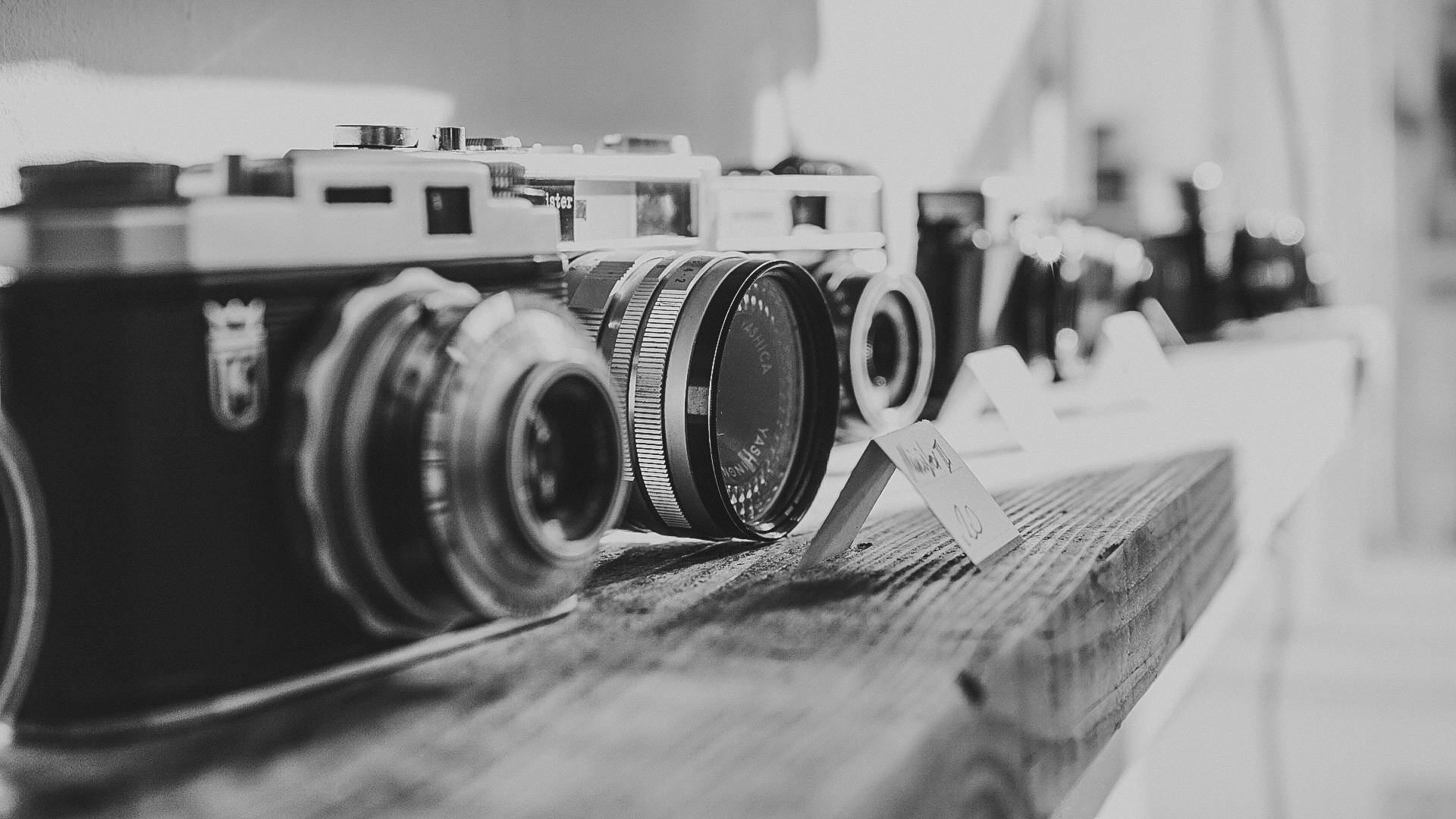
As film photography became more accessible, photographs began to feel personal. Rolls of film carried birthdays, holidays, and ordinary days that felt special simply because they were recorded. Viewing photos meant holding physical prints in your hands, flipping through albums on coffee tables, or sliding them into plastic sleeves. The experience was tactile. You could feel the weight of an album, hear the crackle of aging pages, and smell the faint chemical scent of old prints. Photographs aged alongside us, fading slightly over time, collecting creases and fingerprints as proof that they were loved.
Photo negatives introduced an invisible layer of memory. Images existed even when you couldn’t see them, stored as strips of translucent film tucked into envelopes. Negatives felt powerful in a quiet way. They were backups before we called them backups, a safety net that lived in shoeboxes and drawers. Losing negatives felt like losing the original memory, even though the prints remained.
Slides added another chapter to how we consumed images. Viewing photos suddenly became a shared event. Families gathered in darkened rooms while a projector hummed softly, clicking as it advanced from image to image. The photographs were larger than life, briefly illuminated on a wall or sheet, turning ordinary moments into something cinematic. Storage was physical and deliberate again, rows of small plastic frames labeled by hand.
The transition to digital photography marked a dramatic shift. Images no longer needed film, chemicals, or patience. Photos appeared instantly on small screens, removing the mystery of waiting. Memory cards replaced rolls of film, and storage shifted from shelves to folders. Photographs stopped aging visibly. A digital image from twenty years ago looks exactly as it did the day it was taken, untouched by time unless we choose to edit it.
As hard drives and computers became central to photo storage, images multiplied rapidly. Where albums once held dozens of photos, folders now held thousands. Viewing photos became less ceremonial and more casual. Scrolling replaced flipping pages. The act of sitting down specifically to look at photos slowly disappeared, replaced by quick glances between other tasks.
Online photo sharing changed not just storage, but intent. Images were no longer captured solely for personal memory. They were taken to be shared, commented on, and reacted to. Storage moved into the cloud, an invisible place that promised permanence but felt strangely intangible. Photos became accessible everywhere and nowhere at the same time, detached from physical space entirely.
Smartphones accelerated this shift even further. The camera became an extension of daily life, always present, always ready. Photos stopped being events and became reflexes. Meals, sunsets, receipts, and random moments were captured without thought. Storage expanded automatically, silently, until entire years of life could be scrolled through in seconds.
At the same time, viewing photos became fleeting. Images were seen once, maybe twice, before being buried beneath newer ones. The permanence of digital storage paradoxically made photos feel temporary. We stored more images than ever, yet revisited them less often.
Today, photographs exist in multiple forms simultaneously. They live on devices, in cloud accounts, in backups, and occasionally still as printed keepsakes. A single image might exist in dozens of places, yet feel less tangible than a single worn print in an old album.
Despite all the technological progress, something deeply human remains unchanged. Photographs are still attempts to hold onto time. Whether etched onto metal, printed on paper, projected onto walls, or stored as data, they serve the same purpose they always have. They remind us of who we were, who we loved, and how the world looked through our eyes at a particular moment.
As technology continues to evolve, the way we store and view photographs will keep changing. But the quiet emotional weight of an image, the way it can instantly transport us backward, remains constant. No matter the medium, photographs are still anchors to memory, quietly waiting to be rediscovered.