How Much of the Ocean Remains Undiscovered
by Scott
Despite centuries of exploration and decades of advanced technology, the vast majority of Earth’s oceans remain largely unknown. The ocean covers roughly 71 percent of the planet’s surface, yet humans have directly explored only a tiny fraction of it. Estimates commonly place direct human exploration at well under 5 percent of the ocean, with much of that limited to coastal waters and relatively shallow regions. The deep ocean, which makes up the largest portion of marine environments, remains one of the least understood places on Earth.
One of the most striking aspects of ocean exploration is how much of the seafloor remains unmapped in detail. While satellite measurements allow scientists to infer large-scale features of the seabed by observing changes in sea surface height, these methods lack fine resolution. High-quality seabed mapping relies on sonar-based techniques, such as multibeam echo sounding. As of recent estimates, only around 20 to 25 percent of the global seafloor has been mapped using modern, high-resolution sonar methods. This means that most of the ocean floor is still represented by coarse approximations rather than detailed maps.
The biological unknowns of the ocean are even more staggering. Marine scientists estimate that anywhere from two-thirds to over 90 percent of ocean species remain undiscovered. While roughly 240,000 marine species have been formally described, many experts believe the true number could be in the millions. The deep sea in particular is thought to harbor countless organisms adapted to extreme pressure, darkness, and cold, many of which may exist nowhere else on the planet.
Exploring these environments presents immense technical challenges. Depth is the most obvious barrier. The average depth of the ocean is about 3,700 meters, and the deepest known point, the Mariana Trench, reaches nearly 11,000 meters. At such depths, pressure exceeds 1,000 times atmospheric pressure at sea level. Designing vehicles, sensors, and communication systems that can withstand these conditions is expensive, complex, and risky.
Another major challenge is the lack of light. Sunlight penetrates only the upper 200 meters of the ocean, known as the photic zone. Below this lies perpetual darkness. Traditional visual navigation and imaging are ineffective without artificial lighting, which itself introduces limitations such as reduced visibility range and increased power consumption. As a result, much of deep-sea exploration relies on sonar, which provides shape and structure but limited visual detail.
The ocean is also vast in scale, making exploration slow and resource-intensive. Even with modern autonomous underwater vehicles and remotely operated vehicles, surveying large areas takes enormous amounts of time. A single research vessel may spend weeks mapping a relatively small section of seabed. Global coverage at high resolution would require thousands of such missions and decades of sustained effort.
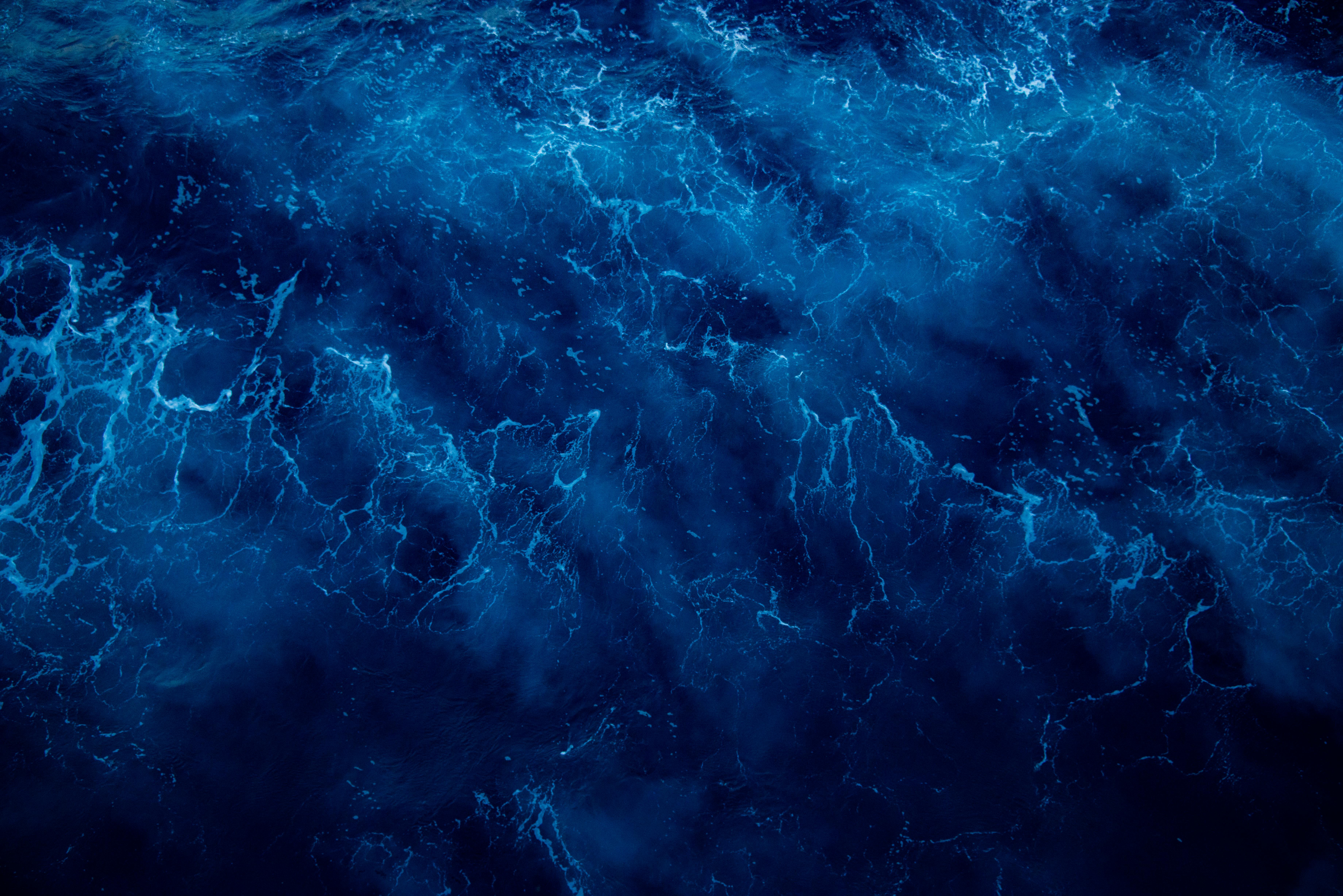
Shipwrecks and aircraft wrecks add another layer to the mystery of the oceans. It is estimated that more than three million shipwrecks lie on the ocean floor, ranging from ancient trading vessels to modern cargo ships and warships. Only a small percentage of these have been located, and an even smaller number have been studied in detail. Aircraft wrecks, including military planes and commercial flights lost at sea, also remain largely undiscovered, especially those that sank in deep or remote waters.
Weather and ocean dynamics significantly influence how and where exploration can occur. Surface conditions such as storms, high waves, and strong winds can halt research missions entirely. Beneath the surface, ocean currents can be equally problematic. Powerful currents can push vehicles off course, stir up sediment that obscures visibility, and complicate precise mapping efforts. Temperature gradients, known as thermoclines, can also interfere with sonar signals, distorting data and reducing accuracy.
Temperature itself presents both a challenge and an area of scientific interest. The deep ocean is cold, typically hovering just above freezing. These temperatures affect equipment performance and battery life, requiring specialized designs and materials. At the same time, temperature variations help scientists understand ocean circulation, climate patterns, and the distribution of marine life.
Chemical conditions add further complexity. Some regions of the ocean contain corrosive substances, such as hydrogen sulfide near hydrothermal vents. These environments can damage equipment but also support unique ecosystems that rely on chemical energy rather than sunlight. Discovering and studying such ecosystems has reshaped scientific understanding of how life can exist under extreme conditions.
Human limitations also play a role. Crewed deep-sea submersibles are rare, costly to operate, and can only reach a limited number of locations. As a result, much exploration depends on robotic systems, which, while improving rapidly, still lack the adaptability and intuition of human explorers. Communication with these systems is also constrained, as radio waves do not travel well underwater, forcing reliance on slower acoustic signals.
Despite these challenges, interest in ocean exploration continues to grow. Advances in robotics, artificial intelligence, sensor technology, and energy storage are gradually expanding what is possible. International initiatives aimed at mapping the entire seafloor within the coming decades reflect a growing recognition of how important the ocean is to climate regulation, biodiversity, and global systems.
The reality remains that the ocean is Earth’s final great frontier. Its depths hold untold geological features, countless undiscovered species, and historical artifacts spanning thousands of years of human activity. Each expedition reveals how little we truly know, reinforcing the idea that the ocean is not just a vast body of water, but a largely unexplored world that continues to challenge our technology, our understanding, and our imagination.