How Fitness Tracking Technology Quietly Changed the Way We Move
by Scott
Workout apps and fitness tracking technology have quietly reshaped how many people think about movement, health, and accountability. What began as simple step counters has evolved into a vast ecosystem of devices and platforms that monitor everything from heart rate variability to sleep quality. For many people, this shift has turned exercise from an abstract goal into something measurable, visible, and easier to sustain over time.
The early days of fitness tracking were defined by basic wearables that focused almost entirely on steps. Devices like the first Fitbits popularised the idea that everyday movement mattered, not just time spent in a gym. Counting steps introduced a simple daily target that encouraged people to walk more, take the stairs, and stay active throughout the day. This simplicity made fitness tracking accessible to people who were not traditional athletes and helped normalise movement as part of daily life.
As technology improved, fitness tracking expanded beyond steps into heart rate monitoring, calorie estimation, and sleep tracking. The arrival of smartwatches accelerated this shift. Devices such as the Apple Watch and Garmin wearables combined fitness features with everyday smartwatch functions, making tracking more seamless. Users no longer needed a dedicated fitness device; the same watch that showed messages and notifications could also record workouts, prompt movement, and log health metrics in the background.
At the same time, software platforms began to play a bigger role. Apps like Strava transformed fitness tracking into a social experience. Instead of exercising alone, people could share runs, rides, and workouts, see what friends were doing, and participate in challenges. This social layer added motivation and accountability, turning fitness into a shared activity rather than a solitary one. Competing against friends, even casually, proved to be a powerful incentive for consistency.
Fitness tracking, at its core, is the collection and interpretation of data related to physical activity and health. This can include steps taken, distance travelled, heart rate, workout duration, sleep patterns, and recovery metrics. Modern devices often combine multiple sensors to create a detailed picture of how the body responds to activity and rest. Over time, this data allows users to identify trends, measure progress, and adjust habits based on evidence rather than guesswork.
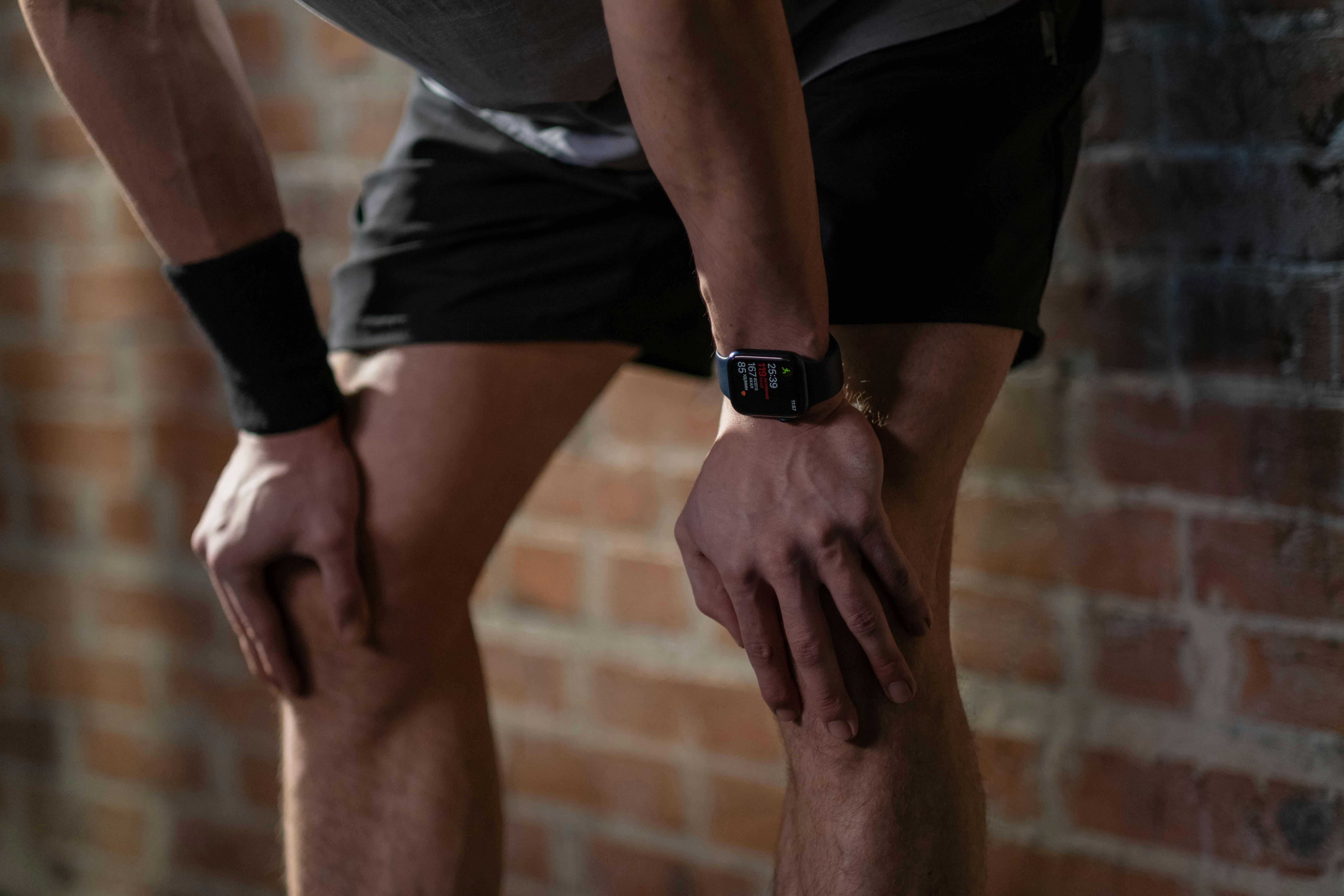
A wide range of devices and apps are now available to suit different needs. Some focus on general wellness and daily activity, while others are designed for specific sports such as running, cycling, swimming, or strength training. There are also platforms that integrate nutrition tracking, guided workouts, and personalised training plans. This variety has made fitness tracking adaptable to different lifestyles, ages, and levels of experience.
Many people track their fitness because it provides clarity and structure. Seeing progress in numbers can be motivating, especially when results are gradual and not immediately visible. Tracking can also help people stay consistent, set realistic goals, and understand how factors like sleep, stress, and recovery affect performance. For some, simply being reminded to move or stand can make a meaningful difference to overall activity levels.
However, fitness tracking is not without downsides. One common issue is an overemphasis on numbers, particularly body weight. Frequently weighing oneself can lead to frustration, anxiety, or unhealthy relationships with food and exercise, especially when natural fluctuations are misunderstood. Metrics can also be misleading if taken out of context, and not all data is perfectly accurate. Another concern is metadata collection, as fitness apps often gather sensitive information about location, habits, and health, which raises questions about privacy and data use.
Despite these concerns, the advantages of fitness tracking are significant for many users. Access to detailed data can empower people to make informed decisions about their health. Social features can provide encouragement, accountability, and a sense of community. Friendly competition, shared goals, and group challenges can make exercise more enjoyable and sustainable. For families and friends, tracking can become a shared activity that strengthens connections through mutual support.
Over time, workout apps and fitness tracking technology have moved beyond novelty and become integrated into daily life for millions of people. While they are not a replacement for listening to one’s body or seeking professional advice, they offer tools that can support healthier habits when used thoughtfully. As the technology continues to evolve, its impact will likely depend on how well people balance data-driven insights with personal wellbeing, privacy, and self-awareness.