Energy Efficient Computing And The Future Of Cooling
by Scott
We are slowly but unmistakably shifting toward a future where computing no longer demands enormous amounts of energy just to keep systems cool. For decades, performance gains were closely tied to higher power consumption, and higher power consumption inevitably meant more heat. Fans grew louder, heatsinks grew larger, and data centres expanded their cooling infrastructure to match. Today, however, there is a growing recognition that raw performance alone is not sustainable without efficiency, and this realization is driving a fundamental change in how modern technology is designed.
One of the clearest examples of this shift can be seen in the rise of highly efficient system-on-chip designs such as Apple silicon and modern Snapdragon processors. These platforms prioritize performance per watt rather than brute-force speed. By integrating CPU, GPU, memory controllers, and specialized accelerators into a single tightly coupled design, they reduce the inefficiencies caused by data travelling long distances across a motherboard. The result is not just lower power consumption, but dramatically reduced heat output, enabling devices to run cooler, quieter, and longer on battery power.
This change is important because energy used for cooling is often invisible to end users, yet it represents a massive portion of total system energy consumption. In laptops and smartphones, excessive heat reduces battery life, throttles performance, and shortens component lifespan. In data centres, cooling can consume nearly as much power as the computing itself. Reducing heat at the source therefore compounds efficiency gains across the entire system, lowering costs and environmental impact at every level.
At the same time, not all recent innovations move in this direction. High-end graphics processors, artificial intelligence accelerators, and enthusiast-class CPUs have become increasingly power hungry. These components often push thermal limits to extract maximum performance, leading to complex cooling solutions that include liquid loops, massive heatsinks, and in some cases direct immersion cooling. While these technologies enable impressive computational feats, they also highlight the growing gap between efficient everyday computing and extreme performance workloads.
The limitations of this power-hungry wave are becoming more apparent. Power delivery itself is a constraint, as homes, offices, and even data centres face practical limits on how much electricity can be supplied to a single system or rack. Heat density becomes harder to manage as more energy is concentrated into smaller spaces. Eventually, the cost of cooling and power infrastructure begins to outweigh the benefits of incremental performance gains, forcing designers to rethink their approach.
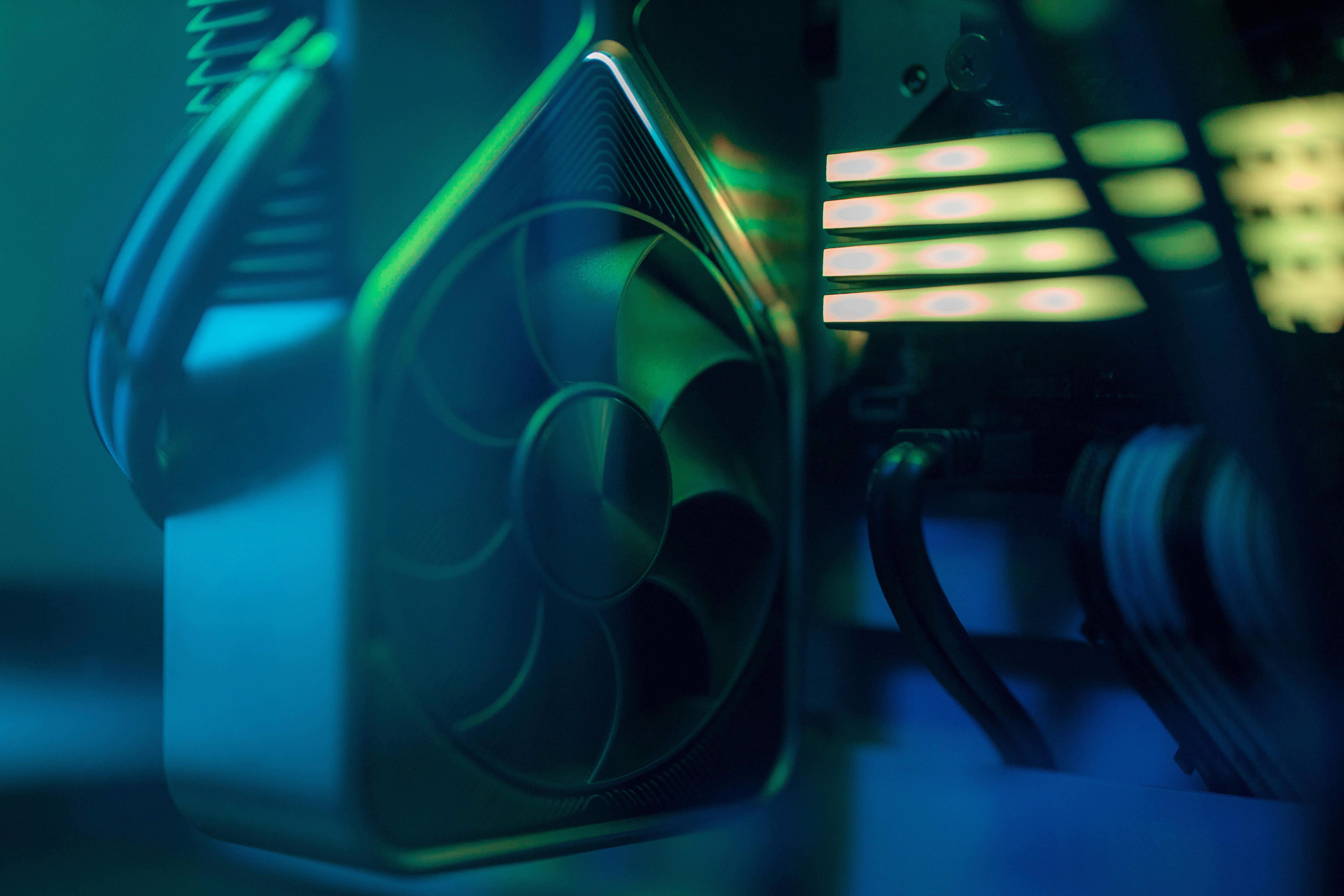
Heat is a challenge at both small and large scales. In personal devices, poor thermal management can make a system uncomfortable to touch or unpleasant to use. In servers and data centres, heat becomes a logistical problem that shapes building design, airflow planning, and geographic location. Interestingly, this heat does not always have to be wasted. Some facilities now capture excess heat to warm nearby buildings, provide hot water, or support district heating systems. While not universally applicable, this approach reframes waste heat as a secondary resource rather than a byproduct to be discarded.
Thoughtful decisions during system design and assembly can significantly reduce thermal stress. The choice of thermal compound between a processor and its cooler can influence heat transfer efficiency. Cooler design, including fin density, heat pipe layout, and fan characteristics, plays a crucial role in maintaining stable temperatures without excessive noise or power draw. Even the physical layout of components on a board affects airflow patterns and heat distribution, making thermal design an integral part of overall system engineering rather than an afterthought.
Looking ahead, futuristic cooling technologies aim to further improve efficiency while reducing complexity. Advances in materials science may produce better thermal interfaces and heat spreaders. Phase-change cooling, microfluidic channels embedded directly into chips, and more efficient liquid cooling systems are already being explored. At the architectural level, smarter workload scheduling can shift computation to cooler or more efficient parts of a system, reducing thermal spikes before they occur.
Another promising direction lies in specialized computing. By using dedicated accelerators for tasks like video encoding, machine learning, or encryption, systems can complete work faster and with less energy than general-purpose processors. This reduces overall heat output by finishing tasks quickly and returning components to low-power states sooner. Efficiency here is not just about consuming less power at any moment, but about minimizing energy over time.
Ultimately, the shift toward cooler, more energy-efficient technology reflects a broader maturity in the industry. Performance will always matter, but it is no longer the only metric of progress. Longevity, sustainability, and thoughtful design are becoming just as important. As users, builders, and designers, striving toward systems that do more with less energy is not only practical, but necessary. Reducing the need for excessive cooling is one of the clearest paths toward a more efficient and responsible technological future.