Beyond Screens: What Daily Life Could Look Like in 20 Years
by Scott
Morning begins with lightweight augmented reality glasses resting on the bedside table. They replace phones, tablets, and monitors in one unobtrusive form factor, projecting contextual information directly into view only when needed. The glasses sync with a personal AI model that lives securely in the cloud and partially on local hardware, updating overnight with calendar changes, global news summaries, and personal health metrics gathered while sleeping. Sleep is tracked through a combination of smart bedding sensors, ambient radar-based motion detection, and biometric wearables that no longer need daily charging thanks to energy harvesting from body heat and movement.
As the day starts, nutrition tracking happens automatically. Smart kitchen surfaces identify ingredients through embedded spectrometers, logging nutrient intake as breakfast is prepared. Water consumption is monitored through connected glassware that measures hydration levels in real time. Coffee machines and kettles adjust caffeine strength, temperature, and timing based on circadian rhythm data, stress indicators, and sleep quality from the previous night. None of this requires tapping buttons; it all happens through ambient interaction and subtle visual cues in augmented reality.
Commuting looks very different. Many people still own vehicles, but most driving is autonomous. Cars are quiet, electric, and deeply integrated with traffic infrastructure that communicates vehicle-to-vehicle and vehicle-to-road. Augmented reality overlays provide optional information such as estimated arrival time, traffic flow visualisation, and hazard awareness, while those who want to relax can switch to entertainment mode. For others, shared autonomous transport pods adapt routes dynamically based on demand and energy efficiency.
Work no longer revolves around fixed locations. Augmented and mixed reality workspaces allow people to summon virtual desks, multi-monitor setups, and collaboration spaces anywhere. Hand tracking, eye tracking, and voice input replace keyboards for many tasks, while haptic gloves provide tactile feedback for design, engineering, and training simulations. Cloud-based compute environments scale instantly, enabling demanding workloads like rendering, software compilation, or data analysis without local hardware constraints.
Communication feels more present and human. Instead of flat video calls, volumetric capture and spatial audio allow people to appear as life-sized, realistic representations in shared virtual spaces. Facial expressions, eye contact, and body language are preserved, making remote conversations feel natural. Language translation happens in real time, spoken quietly into the ear or displayed visually, removing barriers between cultures almost entirely.
Health monitoring is continuous but largely invisible. Wearable patches, smart fabrics, and implanted medical sensors track heart health, blood chemistry, glucose levels, inflammation markers, and early signs of illness. Artificial intelligence models compare this data against personal baselines rather than population averages, flagging subtle changes long before symptoms appear. Telemedicine is routine, with doctors accessing real-time diagnostic data and prescribing treatments remotely, including personalised medication dosages produced by automated pharmacies.
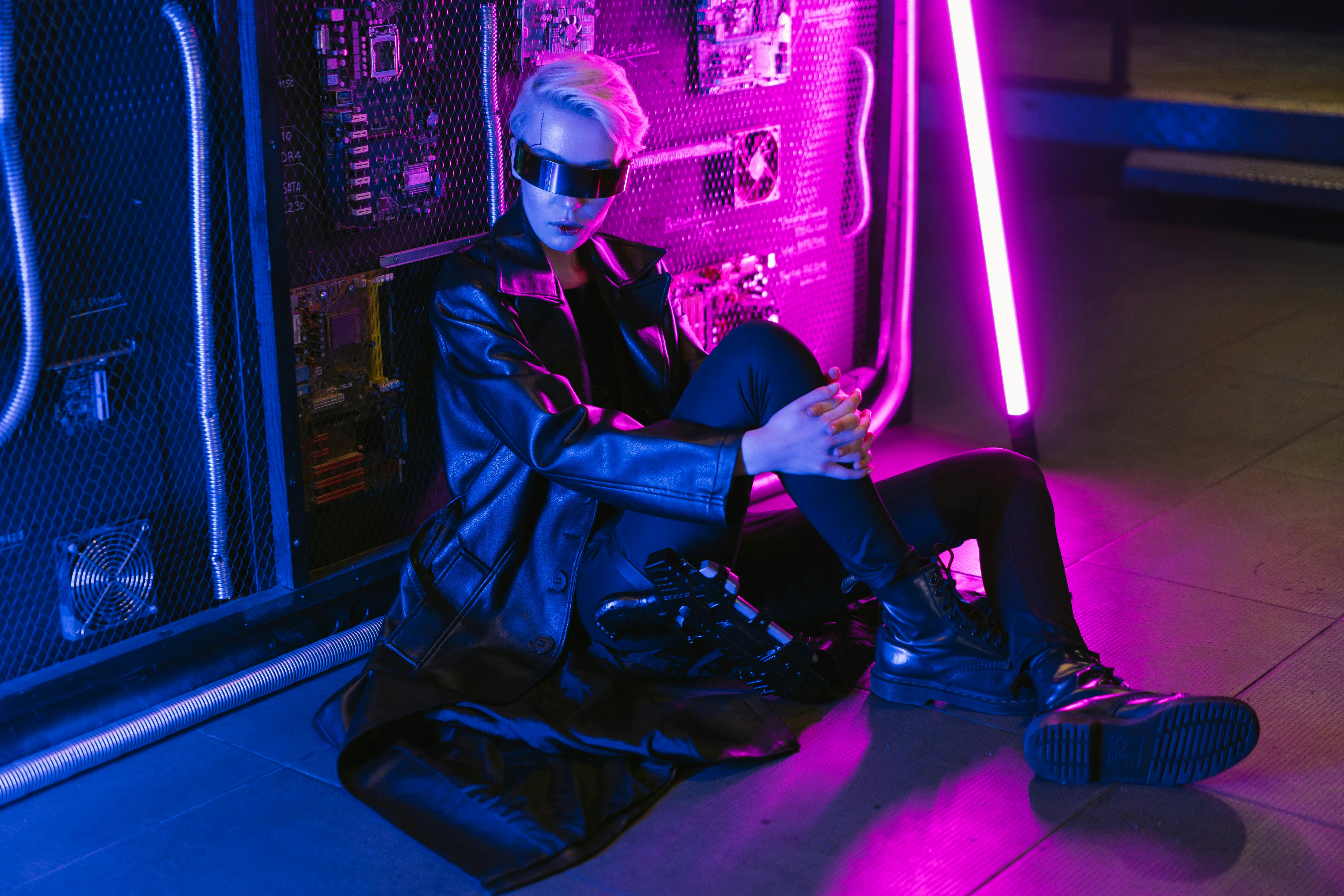
Fitness evolves beyond step counting. Movement quality, muscle engagement, posture, and recovery are tracked through a combination of wearables and environmental sensors. Augmented reality coaches guide workouts in real time, correcting form and adjusting intensity based on fatigue and injury risk. Outdoor exercise blends digital and physical worlds, turning parks and streets into adaptive training environments or immersive games that reward exploration and consistency.
Entertainment becomes deeply immersive. Movies and television are experienced in spatial formats, where scenes can surround the viewer or adapt based on attention and emotional response. Music is delivered through adaptive audio systems that adjust acoustics depending on room size, mood, and activity. Gaming spans physical and digital spaces, with persistent augmented worlds layered over real environments, allowing players to interact with shared virtual elements while walking through their neighbourhoods.
Household chores are largely automated. Robotic cleaners handle floors, surfaces, and even laundry folding. Kitchens include robotic assistants capable of preparing complex meals from raw ingredients, guided by dietary preferences and nutritional goals. Smart waste systems sort recycling automatically, while energy management software optimises power usage based on real-time pricing, weather forecasts, and grid demand.
Cooking and beverages become a blend of craft and automation. Precision cooking devices use molecular sensors to adjust heat, timing, and seasoning in real time. Fermentation units manage bread, yoghurt, and cultured foods with laboratory-level accuracy. Beverage systems customise flavour profiles, carbonation, and nutritional content on demand, creating anything from hydration drinks to specialty teas without manual preparation.
As evening arrives, digital systems begin to step back. Lighting shifts automatically to support natural melatonin production, displays reduce visual intensity, and notifications quieten. Augmented reality transitions from productivity to relaxation, offering guided meditation, ambient environments, or quiet reading modes that mimic paper without eye strain. Devices coordinate to ensure the body winds down smoothly.
By night, the technology that powered the day fades into the background again. Systems prepare for the next cycle, updating models, scheduling tasks, and learning from the day’s interactions. The digital day of the future is not defined by constant interaction, but by specific, powerful technologies that work together quietly, shaping daily life while demanding less conscious attention than ever before.