Bendgate The Smartphone Bending Controversy Explained
by Scott
Bendgate was the name given to a controversy that emerged in September 2014 shortly after Apple released the iPhone 6 and iPhone 6 Plus. Within days of launch, users began posting photographs and videos online showing that their phones had visibly bent after being carried in pockets during normal daily activity. The issue gained traction rapidly across social media platforms and technology news outlets. The larger iPhone 6 Plus was at the center of the discussion, and the term Bendgate became shorthand for concerns about the structural durability of that generation of devices.
To understand how Bendgate came about, it is important to consider the design shift that Apple introduced that year. The iPhone 6 lineup marked a significant departure from previous iPhone models. The devices were larger, thinner, and featured a rounded aluminum enclosure. The iPhone 6 Plus in particular measured 5.5 inches diagonally, which was substantially larger than prior models. This increased size introduced new mechanical stresses. A longer device experiences greater torque when pressure is applied at its ends, and when carried in a front or back pocket, even modest force from sitting or movement can translate into bending stress across the chassis.
The construction of the iPhone 6 and 6 Plus used an aluminum unibody design. Aluminum is lightweight and attractive, but like all metals, it has limits to how much stress it can absorb before permanently deforming. The thinner the frame, the less material is available to resist bending forces. The design also included structural interruptions for antenna bands and cutouts for buttons and ports, which can create stress concentration points. When a device is long and thin with certain structural discontinuities, the midsection can become a mechanical weak point under specific types of loading.
Reports from early adopters suggested that some iPhone 6 Plus units had bent after being carried in tight pockets for extended periods. Videos appeared online showing individuals deliberately attempting to bend the device by hand. Some of these demonstrations showed visible flexing and in certain cases permanent deformation. While not every device bent under casual handling, the viral nature of these tests amplified public concern. The narrative quickly evolved from isolated reports to a widespread perception that the device was fragile.
Independent testing organizations conducted controlled stress tests to measure how much force was required to bend the iPhone 6 Plus compared to other smartphones on the market at the time. These tests showed that the phone did not bend under light pressure, but it did require less force to permanently deform than some competing models. This placed the situation in a more nuanced light. The device was not uniquely weak compared to every other phone, but its larger size and thinner profile made it more susceptible to bending than smaller or thicker devices.
Apple responded publicly by stating that only a very small number of customers had contacted the company directly regarding bent devices in the immediate aftermath of launch. The company emphasized the extensive durability testing that its products undergo before release, including three point bending tests, torsion tests, and long term stress simulations. Apple also allowed journalists to view parts of its internal testing facilities to demonstrate the rigor of its engineering processes. This response aimed to reassure customers that the issue was not widespread and that the company stood behind the structural integrity of its products.
Despite these reassurances, Bendgate had already become a defining moment in the public conversation around smartphone durability. It highlighted the tension between making devices thinner and larger while maintaining structural resilience. It also demonstrated the power of social media in shaping product perception. A handful of visible cases combined with viral videos were enough to create a global narrative about potential design flaws.
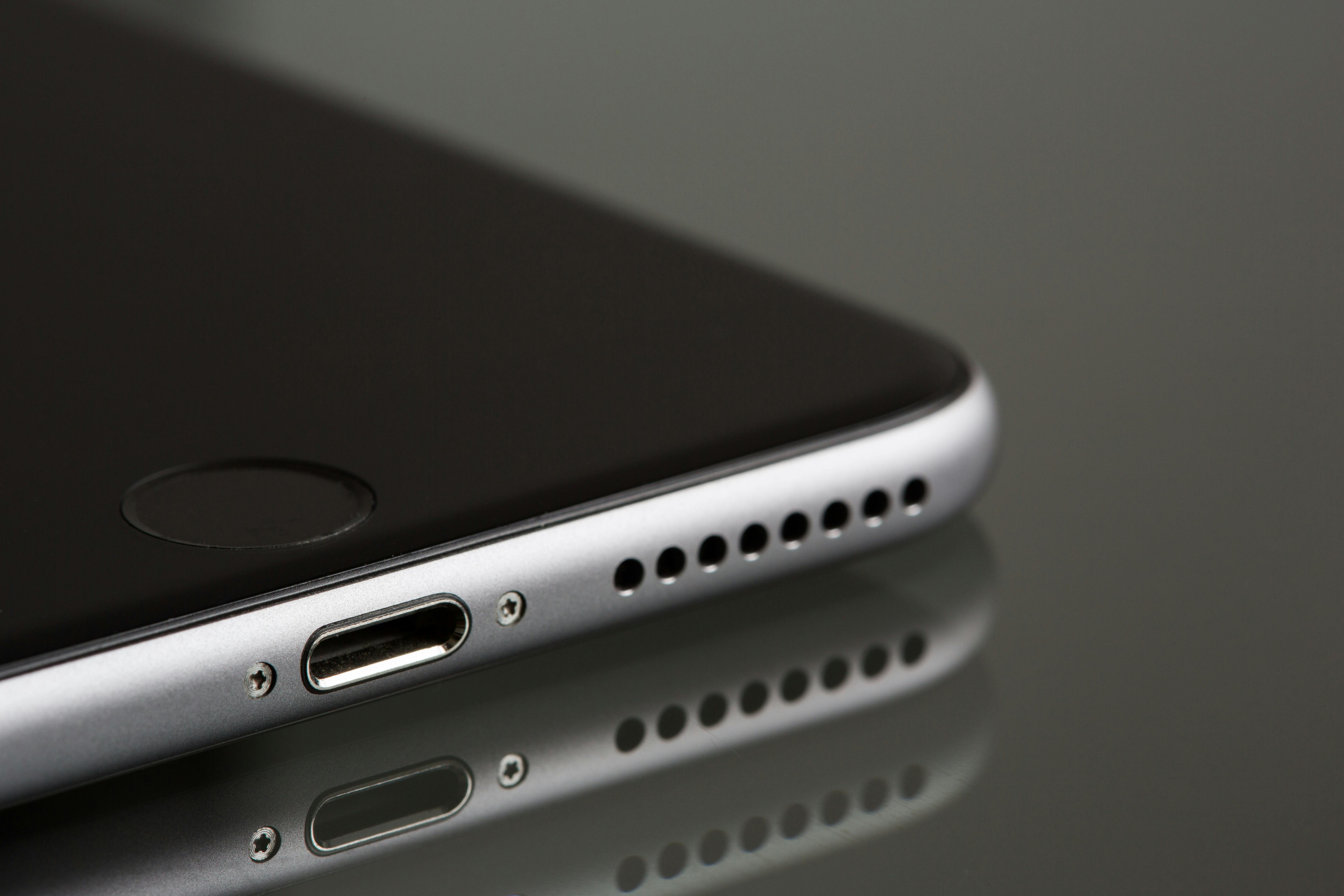
The issue was most strongly associated with the iPhone 6 Plus. The smaller iPhone 6 was also mentioned in some reports, but far less frequently. The difference was largely attributable to physics. A longer device has a greater bending moment when force is applied at its ends. Even small increases in length can have a significant impact on how stress is distributed across the chassis. The iPhone 6 Plus simply presented a larger lever arm for force to act upon.
In the following year, Apple introduced the iPhone 6s and 6s Plus, and one of the key changes was the use of a stronger aluminum alloy. The company moved to a higher strength grade of aluminum, often described as 7000 series aluminum, which offers improved resistance to deformation compared to the alloy used in the iPhone 6 generation. While Apple did not explicitly frame this change as a direct response to Bendgate, it was widely interpreted as a durability improvement informed by prior experience.
Internally, manufacturers often refine frame reinforcement, internal bracing, and structural layout from one generation to the next. Over time, smartphone frames have become more rigid not only because of stronger materials but also because of improved internal architecture. Midframes distribute loads more evenly. Components are positioned to contribute to stiffness rather than undermine it. Structural adhesives and bonding techniques have improved. All of these factors contribute to a more robust enclosure.
What did everyone learn from Bendgate. Consumers became more aware of the mechanical realities of ultra thin electronics. Carrying a large metal device in a tight pocket while sitting places real stress on it. Manufacturers learned that dramatic increases in screen size require proportional increases in structural reinforcement. Reviewers began incorporating bend testing into standard device evaluations. Durability became a more prominent part of the conversation during product launches.
Today, smartphones incorporate design features that mitigate the risk of bending. Frames often use stronger alloys or even stainless steel or titanium in certain models. Internal support structures are more carefully engineered. Foldable devices, which reintroduce mechanical complexity, undergo extensive hinge and flex testing. Even so, the trade off between thinness, weight, battery capacity, and structural rigidity remains an ongoing engineering challenge.
Looking to the future, the industry continues to push boundaries with thinner designs and new materials. Advanced composites, improved metal treatments, and structural simulations allow engineers to predict stress points more accurately than in the past. Computer aided design tools can model how forces propagate through a chassis under various conditions, reducing the likelihood of unforeseen weak spots.
Bendgate ultimately represents a moment where design ambition met real world usage patterns in a very public way. It was not a catastrophic failure affecting every unit, but it was a reminder that physics does not yield to aesthetics. When devices become larger and thinner, their mechanical properties must evolve accordingly. The episode underscored the importance of structural engineering in consumer electronics and demonstrated how quickly a design controversy can reshape both public perception and future product development.