After the Turning Point: How September 11 Reshaped Modern Technology
by Scott
The September 11, 2001 attacks marked a turning point not only in global politics and security, but also in how technology was designed, deployed, regulated, and perceived. While the events of that day are most often discussed in human, political, and cultural terms, their long-term technological impact has been equally profound. In many ways, the modern digital world we live in today was shaped by the decisions, fears, and priorities that followed those attacks.
Before 2001, technology development largely prioritised convenience, openness, and rapid expansion. The internet was still widely viewed as a decentralised space for innovation, communication, and commerce. Security existed, but it was often secondary to usability. Airports relied on relatively simple screening methods, surveillance systems were limited in scope, and digital identity was fragmented and loosely enforced. Trust was assumed more often than verified.
After September 11, security became a central design requirement rather than an afterthought. Governments around the world reassessed their technological infrastructure, particularly in transportation, communication, and data management. Airports became one of the most visible examples of this shift. Advanced imaging scanners, biometric passports, automated watchlists, and real-time data sharing between agencies became standard. Technology that once seemed intrusive was reframed as necessary for safety.
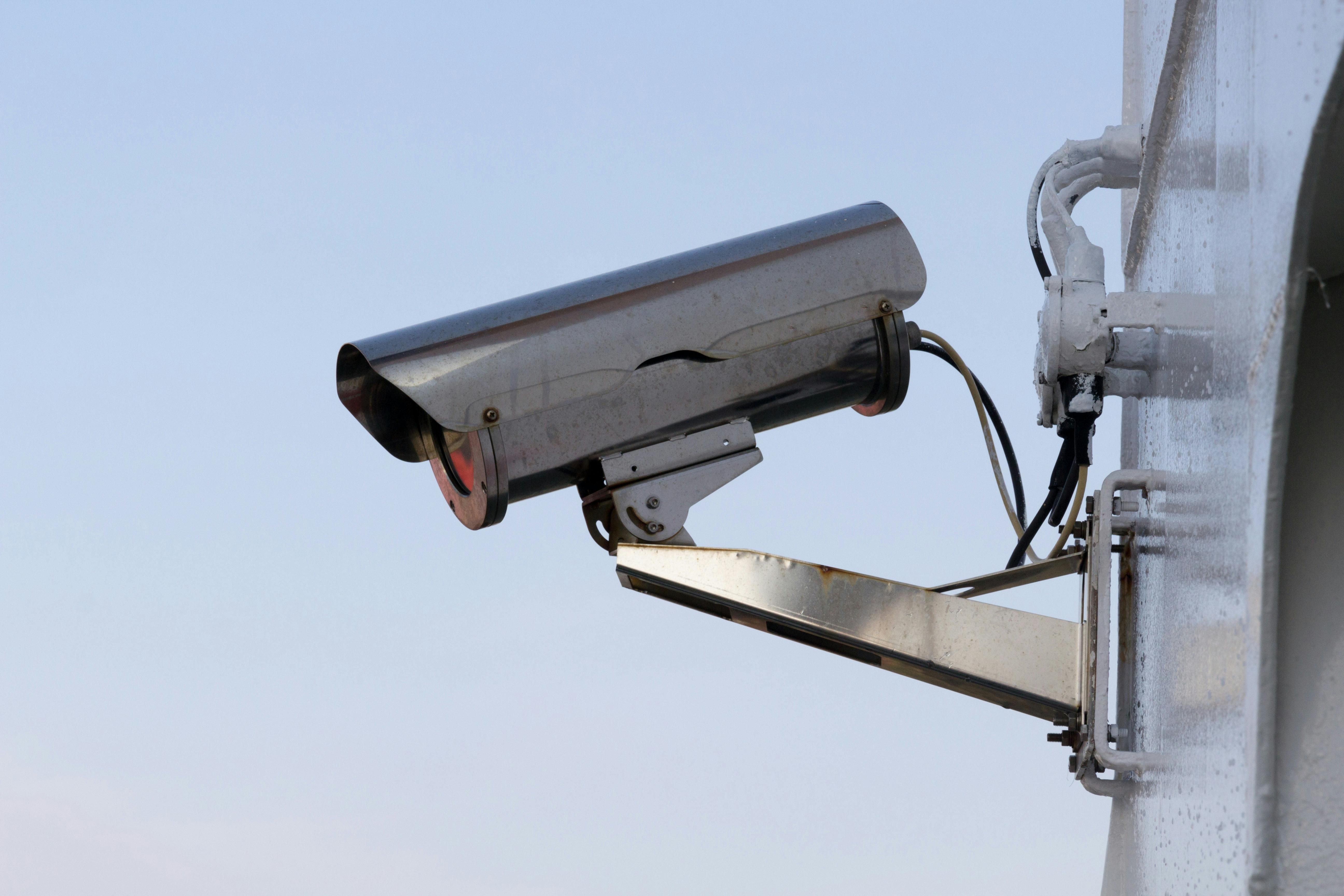
Surveillance technology expanded dramatically. Closed-circuit cameras multiplied in public spaces, cities invested in monitoring infrastructure, and data retention policies grew more aggressive. Advances in storage and processing power made it possible to collect and analyse vast amounts of information, something that would have been technically impractical just years earlier. Facial recognition, license plate tracking, and behavioural analytics began to move from experimental concepts into operational systems.
The internet itself changed character. Governments increased their involvement in digital spaces, both overtly and covertly. Intelligence agencies invested heavily in network monitoring, metadata analysis, and interception capabilities. This accelerated research into large-scale data processing, helping lay the groundwork for modern big data analytics and machine learning systems. From one perspective, this investment pushed technology forward at remarkable speed. From another, it raised enduring concerns about privacy, transparency, and civil liberties.
Communication technologies also evolved under new constraints. Encryption became a point of tension between privacy advocates and law enforcement agencies. Strong encryption protected users from criminals and hostile actors, but it also complicated surveillance efforts. This debate continues today, influencing messaging platforms, operating systems, and hardware design. Many of the security features now taken for granted exist because of lessons learned in the post-9/11 era.
Identity verification became increasingly digital and centralised. Systems for verifying who someone is, where they have been, and what they are authorised to do grew more sophisticated. Biometric data such as fingerprints, facial scans, and iris recognition entered mainstream use. While these technologies improved efficiency and reduced fraud, they also introduced new risks related to data breaches and misuse.
Technology companies found themselves operating in a more regulated environment. Compliance requirements increased, particularly for telecommunications providers, internet platforms, and financial institutions. Data retention laws, lawful access provisions, and reporting obligations reshaped how systems were built and maintained. Some argue this increased accountability, while others see it as a constraint on innovation and free expression.
At the same time, September 11 indirectly accelerated the development of resilience and redundancy in technological systems. Governments and corporations invested more heavily in disaster recovery, backup infrastructure, and distributed systems. Data centres were designed to survive physical attacks and natural disasters. Networks were engineered to reroute traffic automatically in the event of failure. These changes improved reliability for everyone, not just security agencies.
The cultural relationship with technology also shifted. People became more aware that everyday tools could be repurposed for harm, and that complex systems carried hidden vulnerabilities. This awareness influenced how technology was discussed in media, how risk was assessed, and how public trust was managed. Fear and caution became part of the technological conversation in a way they had not been before.
From a non-biased perspective, it is important to recognise that many technological changes were driven by genuine attempts to prevent future tragedies. Engineers, policymakers, and security professionals operated under intense pressure, balancing safety against openness in an uncertain world. At the same time, critics argue that some measures went too far, embedding surveillance and control into systems in ways that are difficult to reverse.
Looking back, it is clear that September 11 did not invent the trajectory of modern technology, but it significantly altered its direction. It prioritised security over convenience, monitoring over anonymity, and control over decentralisation. Some of these changes have undoubtedly saved lives. Others continue to challenge democratic values and personal freedoms.
In conclusion, the technological legacy of September 11 is complex and deeply woven into everyday life. From airport scanners to encrypted messaging, from data analytics to digital identity, the echoes of that day are still present in the systems we use without thinking. Understanding this history helps explain not only how our technology works, but why it was built the way it was, and why the balance between safety and freedom remains one of the defining challenges of the digital age.