A Practical Guide to Living Off Grid and Bugging Out
by Scott
Living off-grid and bugging out for short or extended periods is less about escaping society and more about deliberately choosing self-reliance. The romantic idea of vanishing into the wilderness often hides the reality that doing so safely and sustainably requires careful planning, discipline, and respect for the environment. This guide approaches the topic practically, from mindset to execution, focusing on how to prepare, survive, and adapt without relying on modern infrastructure.
The first and most important step is defining your intent. Are you leaving temporarily due to burnout, testing self-sufficiency, or preparing for emergencies? Or are you aiming for long-term off-grid living? Your goals determine everything else, from equipment to location to food strategy. Vague intentions lead to poor decisions, while clear purpose shapes realistic planning.
Mental preparedness matters as much as physical readiness. Living off-grid removes convenience, predictability, and constant stimulation. Isolation, silence, and routine replace notifications and instant solutions. Anyone attempting this lifestyle must be comfortable with solitude, problem-solving, boredom, and physical discomfort. Panic, impatience, or reliance on constant reassurance can become liabilities in remote environments.
Choosing a location is a foundational decision. Factors such as climate, terrain, water availability, seasonal changes, wildlife, and legal considerations must be weighed carefully. Some regions are forgiving, while others are hostile without advanced skills. Access to natural resources and exit routes is just as important as seclusion. Being remote should never mean being trapped.
Legal awareness is essential before disappearing off-grid. Land ownership, camping laws, hunting rights, fire restrictions, and protected areas vary widely. Ignoring regulations can lead to fines, forced evacuation, or worse. Even those seeking minimal contact must understand the legal boundaries of where and how they live to avoid unnecessary risk.
Water is the first survival priority. Every location must provide reliable access to water through streams, rainfall, springs, or stored reserves. Knowing how to filter, boil, chemically treat, and safely store water is non-negotiable. Dehydration occurs faster than starvation and often without obvious warning signs. Redundancy in water purification methods is essential.
Food planning determines how long you can remain off-grid. Short-term trips rely heavily on packed provisions, while longer stays require renewable food sources. Fishing, trapping, foraging, gardening, and hunting demand skill and local knowledge. Relying solely on stored food limits duration and increases vulnerability. Sustainable calorie intake must be planned realistically, not optimistically.
Understanding nutrition matters more than simply eating enough. A diet lacking fats, proteins, vitamins, or minerals leads to fatigue, poor judgment, and long-term health issues. Off-grid living punishes nutritional shortcuts quickly. Planning balanced food sources, even in minimalist conditions, keeps both mind and body functional.
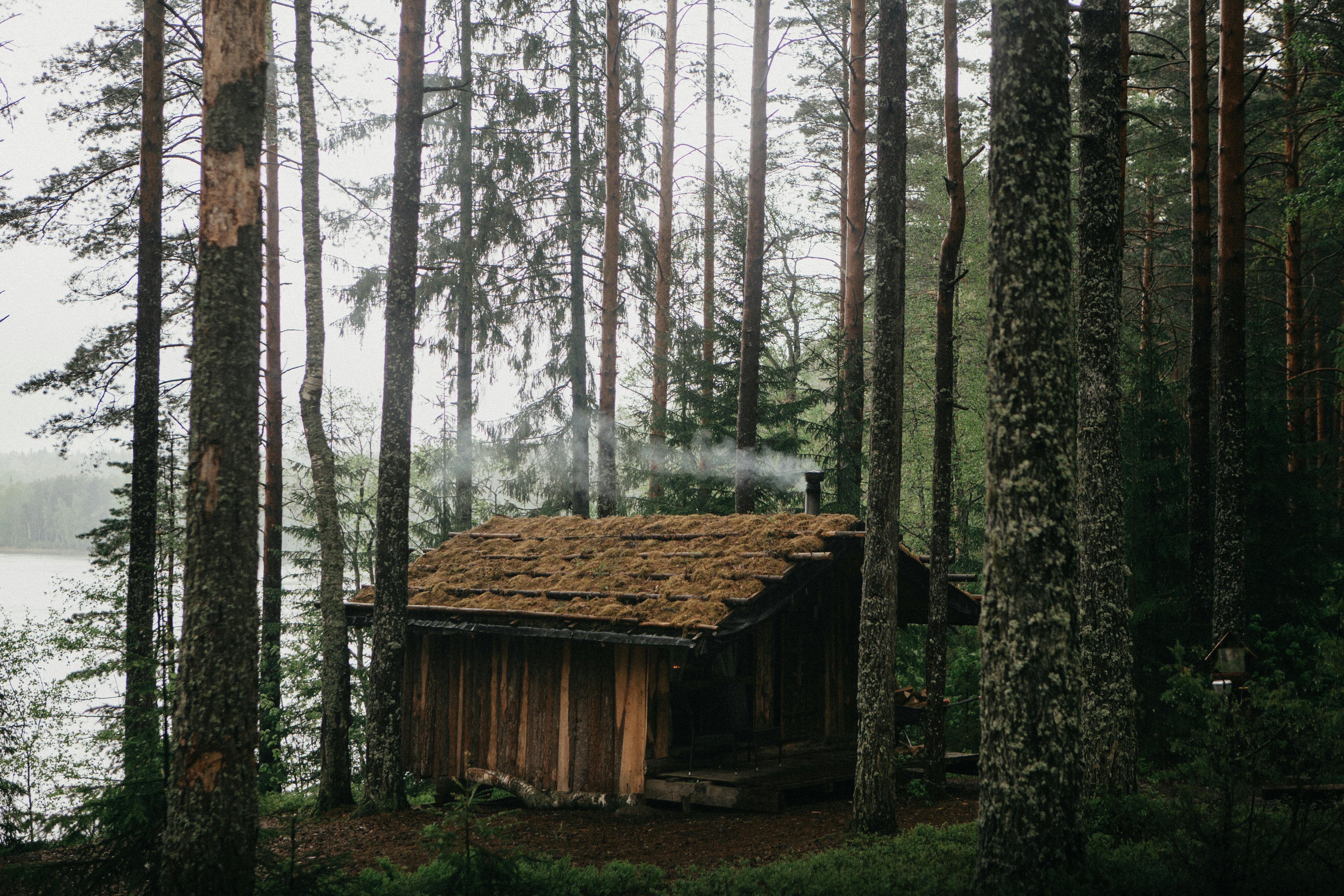
Shelter protects against exposure, which is a leading cause of wilderness injury and death. Whether using tents, cabins, vehicles, or natural shelters, insulation, ventilation, moisture control, and weather resistance must be prioritized. Improvised shelter should always be backed by contingency options in case of structural failure or severe weather.
Fire is another cornerstone of survival. It provides warmth, cooking capability, sanitation, and psychological comfort. Knowing multiple methods of ignition and maintaining dry tinder supplies is critical. Fire safety is equally important, as uncontrolled burns can destroy shelter, supplies, and escape routes in seconds.
Clothing and layering strategies often determine comfort and safety more than shelter itself. Proper insulation, moisture control, and protection from wind and sun are essential. Cotton becomes dangerous when wet, while synthetic and wool materials provide superior performance. Clothing must be adaptable to temperature swings and physical exertion.
Tools should be chosen with purpose rather than quantity. Multi-use items reduce weight and complexity, but specialized tools often perform critical tasks better. Knives, saws, axes, repair tools, cordage, and navigation equipment form the backbone of practical independence. Every tool carried should justify its presence through repeated usefulness.
Navigation skills remain vital even in an era of GPS. Maps, compasses, terrain awareness, and celestial navigation ensure orientation when electronics fail. Getting lost off-grid escalates from inconvenience to danger rapidly. Understanding the land builds confidence and prevents unnecessary energy expenditure.
Energy management becomes a daily discipline. Without electricity, every action has a cost. Even with solar panels or battery systems, conservation remains essential. Learning to operate within natural light cycles improves sleep, efficiency, and long-term sustainability while reducing dependence on fragile technology.
Medical readiness cannot be overlooked. First aid supplies, knowledge of wound care, infection prevention, and injury management are critical when professional help is distant or unavailable. Minor issues can escalate into serious problems off-grid. Training in basic wilderness medicine dramatically increases survival odds.
Hygiene directly affects health and morale. Clean water, waste management, and personal cleanliness prevent illness and maintain psychological well-being. Poor sanitation attracts pests, spreads disease, and degrades living conditions quickly. Sustainable waste practices protect both the individual and the surrounding environment.
Security takes on a different meaning off-grid. While many fear human threats, wildlife and environmental hazards are often more immediate concerns. Situational awareness, noise discipline, food storage, and respectful coexistence with nature reduce risk. Defensive measures should be practical, proportional, and legally compliant.
Communication planning is often overlooked until it is needed. Whether through radios, satellite messengers, or agreed check-in schedules, maintaining some form of emergency communication increases safety without sacrificing autonomy. Total silence should be a deliberate choice, not an accident.
Skill development matters more than equipment. Firecraft, navigation, foraging, tool maintenance, and shelter building improve resilience far more than expensive gear. Skills remain usable when supplies break, run out, or are lost. Practice before relying on any technique in real conditions.
Weather awareness influences every decision off-grid. Understanding seasonal patterns, storm behavior, temperature swings, and environmental warnings allows proactive planning. Weather dictates shelter placement, travel timing, and energy usage. Ignoring it leads to unnecessary exposure and risk.
Time perception changes dramatically without digital schedules. Days become task-oriented rather than time-driven. This shift can be calming or unsettling depending on mindset. Establishing routines helps maintain productivity and psychological stability during extended isolation.
Exit planning is as important as entry planning. Knowing when and how to leave prevents stubborn persistence in unsafe conditions. Illness, injury, weather, or resource depletion should trigger predefined exit criteria. Survival is not about endurance at all costs but making smart decisions.
Respect for nature underpins successful off-grid living. Overharvesting, pollution, and disregard for ecosystems create long-term problems. Sustainable interaction ensures continued access to resources and minimizes environmental damage. Living off-grid works best when aligned with natural systems rather than imposed upon them.
Ultimately, disappearing from the urban or digital landscape is not about rejecting modern life but understanding what remains when it is stripped away. Off-grid living reveals personal limits, priorities, and resilience. Those who approach it thoughtfully discover not just survival skills, but a deeper awareness of self, environment, and what truly matters when convenience is no longer guaranteed.